
Discuss your claim · Kingston upon Thames
Updated
Personal Injury Solicitors for Kingston upon Thames
An injury in Kingston upon Thames can leave you deciding whether to pursue a claim, challenge a denial or accept a settlement while recovery is still uncertain. AJ Solicitors can consider an enquiry about those decisions and explain whether a defined private-fee instruction is available. The useful starting point is the event, the evidence and the question you need answered, rather than a promised compensation figure. Local investigation can involve separate public-space CCTV procedures, a council claim handled by another borough, a riverside boundary or several organisations within one journey. The guidance below helps you prepare those distinctions and identify practical evidence without assuming that every accident creates liability. Examples describe possible situations and are not accounts of cases handled by the firm.
AJ Solicitors is Manchester based; no Kingston upon Thames branch is represented by this page. Acceptance depends on suitability, conflicts, capacity and an agreed private-fee scope. No free consultation, conditional fee arrangement or successful outcome is promised. An enquiry is not a retainer and does not protect a deadline. Explain urgent dates and existing representation, and obtain express confirmation of the work the practice will undertake and responsibility for the next action.

Find the issue you need assessed
Ask for advice at the decision point
Some Kingston injury enquiries begin before a defendant has been identified; others arrive with an insurer's offer or a disagreement about medical evidence. Tell AJ Solicitors which position you are in. A short account of the accident and the question requiring advice helps establish a sensible scope. It also prevents a first assessment from being mistaken for an agreement to run every aspect of a claim.
Include the actual location, date, injury and any existing representative. Explain whether the other side disputes the event, responsibility, the medical connection or the financial loss. Those are separate issues, and an admission on one does not necessarily resolve the others. If you do not know what an insurer's wording means, supply the letter itself rather than trying to interpret it in a way that may omit a qualification.
The proposed work should have an identifiable purpose, such as reviewing a denial, considering whom to notify or advising on the evidence needed before valuation. Ask what documents are essential and what fee arrangements apply. If a date is approaching, say so at once and obtain confirmation that the practice can take the relevant action. The existence of this location page does not establish an ongoing solicitor relationship.
Work backwards from the exact place of injury
Kingston upon Thames is a useful starting description, but a premises or highway investigation needs the precise point. State the entrance, stair, crossing, path or area within a building and the direction you approached it. If you were moving between a shopping unit and a shared area, show the transition. A receipt proves a transaction at a business but may not identify who controlled the place where you fell.
Preserve both a wide scene photograph and closer views of the alleged hazard, provided they can be obtained safely. Give the date of each photograph and identify any differences from the accident conditions. Lighting, temporary displays, rain and barriers can change quickly. Do not describe a later photograph as showing the accident itself, even when you believe the underlying defect had not changed in the intervening period.
An adviser may need to distinguish ownership from occupation, maintenance obligations and the conduct of a contractor. Those relationships are not always visible at the scene. Keep names from signs, incident forms and correspondence as leads, without turning a guess about the premises owner into a fixed allegation. Correctly identifying the party and its role is often more important than immediately producing a detailed estimate of compensation.
Understand Kingston's separate CCTV dates
Kingston Council publishes a requirement for public-space search requests within 28 days, allowing time before routine deletion after 31 days. Treat the earlier request window as a practical evidence issue, not a legal claim deadline. Its page also distinguishes search and release charges and warns that submitting the search form commits the requester to that process. Confirm requirements and costs before instructing a paid search.
A camera search needs a specific incident description. Gather the likely time from receipts, travel records or messages, and explain whether it is exact or estimated. State your clothing, route and any vehicle details. A camera visible near a junction might not show the pavement or doorway in question. Narrowing the factual issue allows a representative to decide whether searching that view is likely to assist the claim.
The council separately describes personal subject access and public-space evidence requests. A copy of images showing you may differ from footage needed to identify another person or reconstruct an entire collision. Explain the investigation's purpose accurately and keep the request and reply. Do not assume that submitting a general complaint, parking query or data request automatically preserves every recording held elsewhere within a transport or premises network.
Know why a Kingston claim may be handled in Sutton
Kingston Council says that Sutton's in-house claims team handles claims on its behalf. Correspondence from that team therefore need not mean the accident has been assigned to the wrong borough. Keep the claim reference and verify the relationship through the official route before sending sensitive material. The handler's postal location should not replace the actual Kingston accident location in your account or evidence index.
The council's published claims guidance requires a basis for legal responsibility and explains that an accident alone does not establish entitlement. A useful allegation identifies the condition or conduct said to be wrong, the injury and the supporting facts. Avoid relying solely on the seriousness of the outcome. A severe injury may require extensive care yet still leave responsibility disputed, while a modest injury can raise a clear liability issue.
If the response refers to inspections or maintenance records, identify what those records actually address. The relevant asset, date and type of defect may matter more than the number of documents supplied. Keep the complete response for legal review. A disagreement about liability should lead to a focused examination of the reasoning and evidence, rather than assuming that resending the same account to another council department changes the position.
Describe a riverside accident without making the river the defendant
The council provides specific water safety guidance for Kingston's Thames riverside. For an injury enquiry, distinguish an accident on a path, terrace, access stair or vessel from an incident in the water. These settings can involve different organisations and factual questions. Preserve the exact place and activity rather than describing everything as a riverside accident, which may be too broad to direct a useful investigation.
If the concern is a surface, barrier, obstruction or change of level, document that feature from a safe position and explain its relationship to your movement. Do not return close to an edge or enter the water to recreate the event. Where rescue or emergency assistance occurred, preserve the service reference and the names of witnesses willing to be contacted. Their observations may clarify the sequence without a dangerous reconstruction.
Weather, visibility and water conditions may provide context without establishing negligence. Similarly, the presence of a safety notice does not answer every question about management of a particular premises or activity. An adviser needs to understand the risk alleged to have been avoidable and the evidence supporting that allegation. General concern about riverside safety is not a substitute for explaining how the actual injury occurred and who may have controlled the situation.
Separate a restaurant terrace from a public route
If an accident happens while approaching outdoor tables, identify whether you were a customer, passer-by, delivery worker or employee. Preserve a booking, receipt or work instruction where relevant. Show the arrangement of tables, heaters, cables, steps and the route available to you. A business trading beside a public path does not necessarily control the whole surrounding area, and a public-looking terrace may be part of private premises.
For a burn or scald, record the object or liquid involved, who was handling it and the immediate sequence. Keep photographs of damaged clothing and any incident report, without interfering with equipment or retaining dangerous material. A medical record of the injury may establish its nature but not the temperature, condition or handling of the item that caused it. Those questions may require separate evidence from staff or witnesses.
Explain whether you reported the event at the time and what action followed. A replacement meal, refund or sympathetic comment should be recorded accurately rather than presented as a formal admission. If the business later disputes your presence or timing, transaction records can become particularly useful. The investigation should connect the event, alleged failing and injury while keeping a customer service response distinct from an insurer's legal position.
Preserve the changing route around temporary works
An injury near works can involve a diverted walkway, altered crossing, loose material or interaction with a vehicle. Record the route as it existed that day, including signs and barriers you actually saw. A map showing the usual route may not describe the temporary arrangement. If you relied on a direction from a worker, note their role, location and words as accurately as you can recall them.
Site boundaries and contractors can be unclear to somebody passing through. Collect identifying signs and report references safely, but do not enter the works to discover who is responsible. A named principal contractor, utility company or highway authority may each have a different role. An adviser can consider which records might establish who designed, installed, inspected or altered the arrangement that allegedly caused the accident.
Do not infer that a permit or approved scheme proves the route was implemented correctly, or that visible works prove fault for any nearby fall. The investigation needs the specific connection. Keep evidence of the condition encountered, the mechanism and the timing. If the layout is changed soon afterwards, preserve the dates and images without treating the change alone as an admission about what was wrong before.
Identify the transport asset involved in a journey
An injury during a Kingston journey might occur on a bus, at a stop, on a station approach or inside premises used by a transport operator. Start with the asset and movement involved. Record the service, direction, time, ticket and exact point where you were injured. The organisation selling a ticket may not hold all relevant recordings or maintain every surface used during the journey.
For a fall involving a vehicle door, step or boarding gap, describe whether the vehicle moved, whether assistance was requested and what warning or instruction was given. A passenger may be unable to observe the driver's actions directly; preserve that distinction. Another passenger's account can help, but they should describe their own position and observations rather than simply agree that the event felt sudden or unsafe.
Transport data may be spread across operators and separate systems. TfL's access guidance explains distinctions in the information it holds, including bus recordings controlled by operators. Keep the full reply to any enquiry and note whether it confirms a search, says no material was found or redirects you elsewhere. These responses mean different things and should not all be reduced to a single statement that there was no CCTV.
Untangle a collision at a crossing or turning point
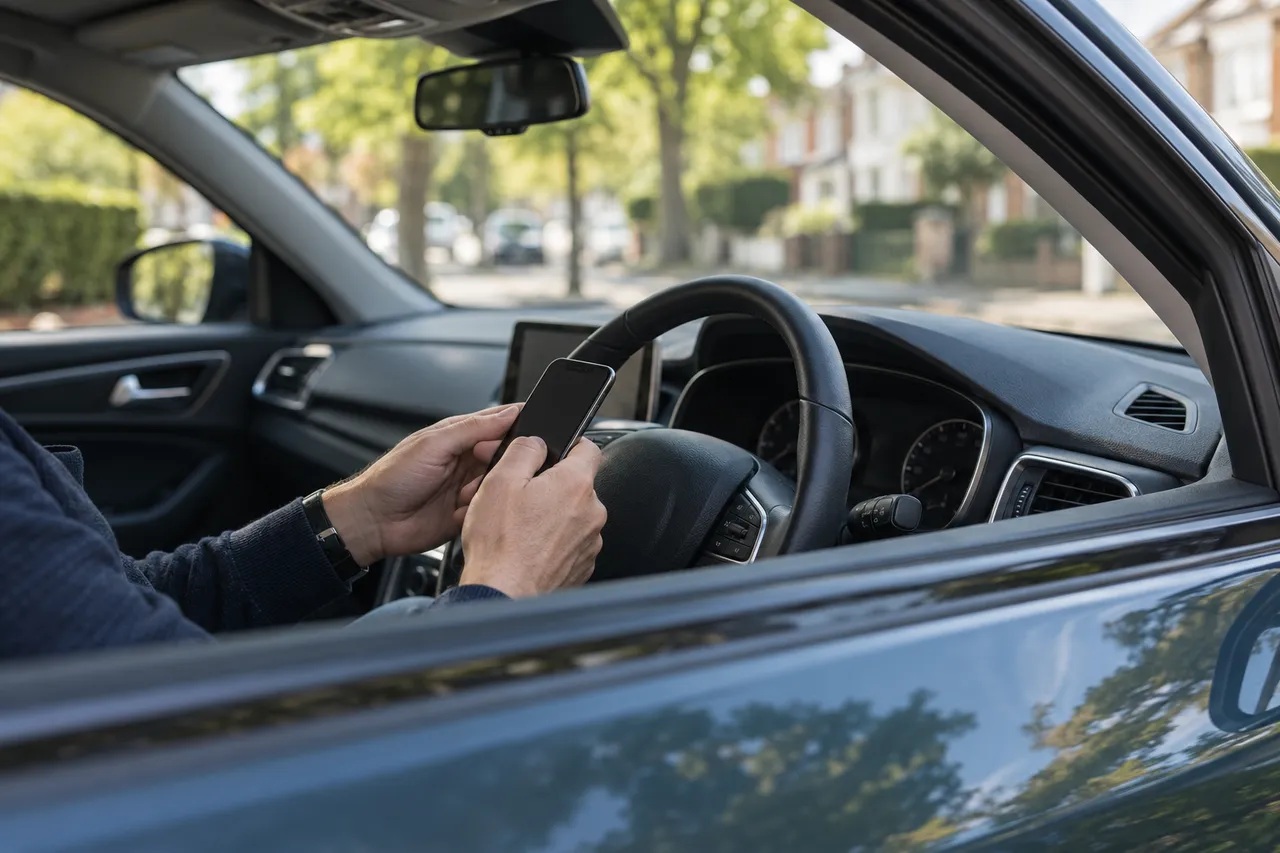
For a pedestrian or cyclist, the approach to the collision can be decisive. Draw a simple plan of the route, the vehicle's movement and your last clear observation before impact. Label it as your recollection, not a measured reconstruction. If a witness supplied part of the account, record that separately. A police incident number can help locate records, but it does not by itself explain which movements have been independently established.
Preserve the original dashcam or helmet recording where available, including time before and after the event. A short social media clip may omit the approach, change the image quality or conceal its timing. Do not edit the source to make it more persuasive. If the displayed clock is inaccurate, record the discrepancy and any reliable basis for correcting it so another reader can understand the sequence.
An insurer may suggest that your own actions contributed to the accident. Ask what conduct is alleged and what evidence supports it. A reasoned response can address visibility, timing, available space and the conduct of everyone involved. Neither a blanket denial nor an immediate acceptance of a percentage is a substitute for examining the facts and the legal significance of the allegation in the particular claim.
Handle an injury affecting study as a practical change
If an injury disrupts study, preserve the timetable, attendance record and communications about missed assessments or adjustments. Explain what the injury prevented you from doing and for how long. An extension, alternative assessment or temporary break can change the practical consequences. Keep those outcomes alongside the initial disruption rather than presenting an early fear about lost study as if it were an established final loss.
A student may also have paid work, a placement or caring responsibilities. Record each separately because the supporting evidence will differ. A missed unpaid placement, lost paid shift and delayed qualification are not interchangeable financial losses. Where a future career effect is suggested, an adviser may need evidence beyond the student's understandable concern, including course decisions, employment history and the medical outlook for the relevant restrictions.
If the accident occurred during a course activity, identify the organiser, premises controller and instructions given. Keep equipment details and any risk information supplied beforehand. Attendance at an educational activity does not guarantee a claim when injury occurs. The enquiry should focus on the alleged unsafe arrangement and causal connection, while the educational support process continues according to the student's immediate needs and the institution's procedures.
Examine an exercise injury beyond the membership form
A sports or gym injury may arise from an ordinary movement, another participant, defective equipment, an unsuitable instruction or an unsafe surface. These possibilities should not be merged. Describe the activity, your experience, the instruction and the exact mechanism. Keep the booking, membership terms and any equipment identification. A signed form is relevant background, but its existence does not remove the need to investigate what happened.
If equipment appeared to fail, stop using it and report the concern through the operator's process. Preserve photographs from a safe position and avoid dismantling, testing or altering the item. Ask that the incident and equipment identity be recorded. A machine being removed afterwards may reflect precaution rather than a confirmed defect; technical conclusions should follow appropriate inspection and evidence, not an assumption based solely on the operator's reaction.
For an organised session, preserve the participant information you supplied and the instructions actually given. A generic website description may differ from the activity undertaken that day. Tell an adviser about any relevant health warning, prior injury or decision to attempt a different exercise. Full context allows a fair assessment of the alleged failing and avoids treating the fact of injury as proof that the instructor must have been negligent.
Need help assessing the next step?
Call +44 7344 141 814Keep a child's evidence in the child's own words
When a child is injured, record their account without repeatedly suggesting an explanation. Keep the date and distinguish what they said spontaneously from information supplied by adults afterwards. A parent may have seen the injury but not the event. The distinction matters when assessing witnesses and records. Preserve relevant communications with a school, club or premises operator and identify who supervised the activity at the time.
Document the practical effects through ordinary evidence: attendance, sleep disruption, help with dressing, restrictions on play or missed activities. Medical advice should guide treatment and recovery, not the demands of a legal file. Avoid asking a child to repeat a painful movement for photographs. If images are useful, protect their privacy and keep them within appropriate medical or legal channels rather than sharing identifiable material publicly.
An adult may need to act through the appropriate legal arrangements, and settlements involving children can require safeguards under court rules. Ask about these matters before assuming a parent can simply accept an insurer's offer as final. AJ Solicitors must confirm the scope and suitability of any proposed instruction. The child's age, relevant dates and any existing representative should be clear at the first enquiry.
Review care across several providers without losing the sequence
A person injured in Kingston may receive initial treatment in one setting and follow up elsewhere. List the providers, dates, referrals and investigations rather than assuming a single medical record contains everything. Preserve discharge information and appointment communications. The chronology should show what symptoms were reported and how they changed, including improvement. A treatment gap may have an explanation such as waiting time, travel difficulty or a missed invitation.
If the injury worsened an existing condition, describe your earlier function and treatment honestly. A medical expert may need that baseline to assess additional harm. Do not decide for yourself that every later symptom has the same cause, but do not omit a symptom merely because it appeared after the first appointment. Give clinicians an accurate history and let qualified advice guide the investigation and management of medical concerns.
Where the worry is about treatment itself, distinguish the alleged mistake from the original accident. Preserve the clinical complaint, reply and specific outcome you believe would have been different. A poor result does not automatically prove negligence, and an apology may have a limited meaning. Ask whether the proposed legal work includes the treatment issue or requires a separate assessment, rather than assuming it is covered by an accident instruction.
Explain self-employed loss through the work actually missed
For a self-employed person, turnover and personal earnings are different measures. Keep invoices, bookings, accounts and evidence of work cancelled or completed by somebody else. Explain expenses saved while you were unable to work and any cost of substitute labour. An adviser needs to understand how the business operated before and after the injury, rather than applying a standard weekly wage figure to a variable income pattern.
If the injury affected only part of your work, describe the tasks you could and could not perform. A photographer might still edit but be unable to carry equipment; a tradesperson might manage quotations while unable to undertake physical work. These are hypothetical examples of why reduced capacity needs detail. Preserve records showing adaptations and actual income instead of assuming that any return to work ends every loss.
Future bookings and projected opportunities require care. Separate confirmed work from enquiries, seasonal expectations and hopes for business growth. Show a reasonable comparison period and explain unusual conditions affecting it. A credible claim can acknowledge uncertainty; inflating an estimate to compensate for missing records can undermine the whole assessment. If documents are unavailable, tell the adviser what exists and what other evidence might establish the position.

Record independence as well as paid expenditure
Financial evidence should include the ordinary costs created by the injury, such as necessary journeys, equipment or paid assistance, supported by receipts where available. Explain why each expense was incurred and whether anyone reimbursed it. A list of bank transactions without a connection to the injury may be difficult to assess. Keep the circumstances alongside the amount, particularly where the cheapest option was not reasonably available.
Unpaid help can be significant even when nobody issues an invoice. Record additional tasks, duration and the person's relationship to you, distinguishing help that was already provided before the accident. This might include bathing assistance, cooking, shopping or accompanying you to an appointment. Do not convert every visit by a relative into care time; the record should reflect what was actually needed and done because of the injury.
Serious restrictions may affect housing, transport or future support needs. These questions often require appropriate medical and practical assessment rather than an immediate purchase based on a hoped-for settlement. Preserve professional recommendations, quotations and reasons for urgent decisions. Ask before assuming that a proposed cost will be recoverable, and explain what you have already committed to so the legal advice addresses your actual position.
Keep a psychological effect visible without overstating a diagnosis
After an accident, some people experience travel anxiety, disturbed sleep, intrusive memories or reduced confidence in activities they previously managed. Record the actual experiences, when they arise and how they affect daily life. Seek appropriate clinical support for symptoms that concern you. A legal diary can support an accurate history, but it should not become a substitute for medical assessment or a reason to monitor every feeling for evidential value.
Examples of change can help: needing someone beside you on a familiar route, avoiding a particular activity or being unable to concentrate for the usual period. Also record occasions when you cope better. A balanced history is more informative than a series of absolute statements that later prove inconsistent with normal fluctuations. Family observations may assist, provided they are identified as observations rather than clinical diagnoses.
Be candid about other stresses and earlier difficulties. The task is to assess the effect attributable to the incident, not to portray the accident as the sole cause of every problem in life. Medical opinion may be needed where causation or prognosis is disputed. Any public account of recovery should remain truthful and respectful of privacy; there is no need to turn a personal injury enquiry into a social media campaign.
Turn a denial into a list of issues to investigate
A denial may say that the defendant did not control the area, had a reasonable system, disputes the incident or rejects the medical link. Identify the actual reason and supporting documents. Different reasons call for different next steps. For example, evidence of your presence does not necessarily answer an inspection defence, while proof of a damaged surface does not alone establish that it caused the fall described.
Prepare a short comparison between the insurer's account and the evidence you have. Mark points of agreement, disputed facts and gaps. Do not overwhelm the review with repeated copies of the same photographs or commentary accusing the handler of bad faith. A focused file makes it easier to assess whether further investigation has a realistic purpose and whether the likely cost is proportionate to the issues and possible recovery.
If new evidence changes your recollection, explain the change openly. It is better to distinguish a corrected time or location from the original estimate than to let conflicting versions appear unexplained. An adviser needs adverse as well as helpful material to give reliable advice. A review may conclude that further work is not justified; the value of paid advice can be a clearer decision, not necessarily continuation of a claim.
Compare an offer with the evidence still missing
When an offer arrives, preserve its full terms and identify any deadline for response. Ask what it settles, whether legal costs or deductions are addressed and whether it depends on particular assumptions. An informal conversation about a figure may not reveal those details. Tell an adviser about earlier offers and replies so the assessment starts from the complete negotiation history rather than one isolated letter.
Ongoing symptoms, uncertain work capacity or future treatment can affect the evidence needed before a final decision. Explain which questions remain unresolved and whether a medical review is scheduled. Avoid using a compensation calculator as a substitute for prognosis and documented losses. A realistic comparison should consider the risks of disputing liability or value as well as the risk of settling before important consequences can be assessed.
Do not assume that rejecting an offer has no cost implications or that every claim should wait until perfect certainty is possible. Those are matters for case-specific advice within an agreed instruction. If you decide to obtain a limited review, confirm its output and timing, and who will communicate the response. The practice must expressly accept responsibility before you rely on it to meet a live negotiation or procedural date.
Agree a manageable instruction and evidence handover
Before authorising work, ask for a written explanation of fees, expenses, scope and what further decisions require your approval. Check any existing insurance for potential legal expenses assistance and obtain the insurer's position on relevant conditions. Do not assume that another party will reimburse every privately incurred legal cost. A clear financial decision is especially important when the immediate question is narrow or the likely damages are modest.
Provide an indexed set of the key documents rather than everything you own. Include the accident account, relevant photographs, medical chronology, current correspondence and an outline of losses. List outstanding records and their holders. If another person assists, explain their role and any authority to communicate. The practice can then identify additional information needed and agree a secure method of receiving sensitive documents.
AJ Solicitors is Manchester based and assesses Kingston upon Thames enquiries subject to suitability and capacity. Contacting the practice does not itself mean that representation, a hearing or urgent action has been accepted. Obtain clear confirmation of the first task, its expected completion and responsibility for dates. If the service offered does not address every issue, identify the remaining work so you can arrange appropriate advice without an assumed gap being left unattended.
Questions about your Kingston upon Thames enquiry
Can a Kingston resident enquire without travelling to Manchester first?
You can contact AJ Solicitors to explain the matter and ask what communication arrangements are available for the proposed work. The firm is Manchester based and this page does not advertise a Kingston office. Suitability, conflicts and capacity must be checked, followed by agreement on a private-fee scope. Do not book travel or assume an appointment is confirmed before the practice has explained the arrangements for your enquiry.
Why is the first question about the decision I need to make?
A person considering whether to investigate liability needs different work from someone deciding whether to accept a final offer. Explaining the decision helps define a useful assessment and the records it requires. It also clarifies what the fee would cover. The practice must confirm any instruction, so asking a question should not be treated as an agreement that it will manage every future stage of the claim.
Is Kingston's CCTV search window the deadline for compensation?
No. A recording search window concerns the practical availability of that evidence and must not be confused with the legal time limit for a claim. Different dates can require attention at the same time. Tell an adviser the incident date, any known retention issue and any legal or insurer deadline separately. An evidence request does not necessarily protect the right to start proceedings or meet another procedural requirement.
What if I only know roughly when the Kingston accident happened?
Explain the estimate and identify records that could narrow it, such as a transaction, ticket, phone call or photograph. Do not invent a precise time to complete a form. State the possible range and how you reached it, then correct it promptly if better evidence appears. This allows a record holder or adviser to assess a proportionate search and understand the limitations of the information supplied.
Why has Sutton contacted me about a Kingston Council claim?
Kingston's official guidance identifies Sutton's in-house team as its claims handler. Keep the reference and verify unexpected correspondence through the published council route before sending sensitive material or money. The handling arrangement does not change where the accident happened or establish liability. Continue to use an accurate Kingston location and preserve the full correspondence so an adviser can assess the actual reasons for any decision.
Can a fall by the Thames be assessed without proof of who owns the land?
You can make an initial enquiry while responsibility remains uncertain, provided you identify the exact place and say what is not known. Ownership, occupation and maintenance control may need investigation. Preserve photographs, directions and names from signs or incident forms. The fact that the location is riverside does not identify a defendant or establish negligence, so the mechanism and alleged avoidable condition remain central to the assessment.
Should I return to the river edge to photograph a missing barrier?
Do not put yourself or another person at risk to obtain evidence. A safe photograph from an accessible position, earlier images, witness observations or an accurately marked location may be useful alternatives. Explain any limit on what you could record. A legal enquiry should not involve recreating a fall, entering the water or crossing a closed area, and the absence of a risky close-up should be described honestly.
Does a restaurant refund mean it accepts responsibility for my injury?
Not necessarily. A refund may address customer service or a disputed bill without resolving legal liability for an injury. Save the message and the exact terms, including whether any release or final settlement was proposed. Tell an adviser what you accepted and how. The accident evidence and causal connection still need assessment, and a polite apology should not be expanded into a broader admission than its words support.
What if a temporary pedestrian route has already been removed?
Keep photographs, messages, witness details and any works reference from the relevant date. Record your recollection of the barriers, signs and route before it fades, distinguishing it from the normal layout now visible. An adviser may consider records held by contractors or the responsible authority. Removal of the route can make evidence gathering harder, but it does not by itself prove either that the earlier arrangement was unsafe or that no evidence remains.
Can my ticket show which transport company caused the accident?
A ticket can help establish a journey, timing or transaction, but it may not identify who controlled the particular vehicle, platform, approach or recording. Describe the asset and event in detail and preserve the operator names shown in related records. An adviser may need to distinguish ticketing, operation and maintenance roles. Avoid treating the company logo on a booking confirmation as conclusive evidence of legal responsibility.
How do I answer an allegation that I crossed carelessly?
Ask what particular conduct and evidence support the allegation, and preserve your own account of visibility, timing, route and vehicle movement. Supply relevant footage and witness details, including material that may be unhelpful. An adviser can assess whether responsibility is disputed or shared and what response is justified. Do not accept a percentage simply to end an uncomfortable conversation, or deny every possibility without considering the actual evidence.
Can missed university assessments form part of an injury enquiry?
Explain the assessment dates, the medical restriction and the institution's response, including extensions, alternative arrangements or a repeat period. Preserve the records establishing the final practical effect. A disrupted assessment does not automatically translate into a financial award, particularly where an adjustment avoided the anticipated loss. The adviser needs to distinguish inconvenience, additional expenditure, delayed progression and any supported effect on earnings or future opportunities.
Does signing a gym disclaimer mean advice would be pointless?
Provide the document and describe the activity and injury mechanism. The wording may be relevant, but it should be considered alongside the instructions, equipment and circumstances rather than treated as an automatic answer. A normal sporting risk differs from an alleged unsafe arrangement. The practice can assess whether the issue falls within its scope and what further evidence would be needed before a view about liability can be given.
How do I preserve a child's account without influencing it?
Write down what the child says in their own words and note when the conversation took place. Avoid repeatedly proposing causes or asking them to agree with an adult's theory. Keep adult observations separate, especially where nobody witnessed the actual event. Relevant school or activity records may add independent information. Appropriate medical care and the child's wellbeing take priority over obtaining a perfectly detailed account for a future claim.
My landlord uses an agent; who should I name in an enquiry?
Provide both identities, the tenancy information and the messages about the relevant repair. Explain which person received reports, arranged work or controlled access, without assuming those roles settle legal responsibility. The injured person's relationship to the premises and the location of the hazard also matter. An adviser may need to inspect the contractual arrangements before deciding whom a claim should address or whether another party was involved.
What if my follow-up medical record omits a symptom I reported?
Raise the concern through the provider's appropriate process and retain the relevant correspondence. Tell the legal adviser about the omission and your recollection without altering the original record. Other contemporaneous material may assist, but it should be identified for what it is. The aim is an accurate medical chronology that explains uncertainty, not a rewritten set of notes designed to match a later compensation account.
Can I claim my whole business turnover while unable to work?
Turnover is not necessarily the same as lost personal income or business profit. Provide accounts, invoices, cancelled work and details of continuing costs, saved expenses or substitute labour. Explain work you could still do and payments received later for earlier work. A tailored calculation is needed to avoid double counting and to connect the actual financial loss to the injury rather than to unrelated changes in demand.
Will evidence that I managed a short outing undermine the entire claim?
A single activity needs to be understood in context, including its duration, assistance, symptoms and any recovery afterwards. Be truthful about what you can do and acknowledge improvement or fluctuation. Absolute statements can create unnecessary inconsistency if they do not reflect daily life. An adviser needs a balanced picture of function; neither a successful outing nor one difficult day necessarily describes your capacity across the whole recovery period.
Is it sensible to pay for advice after an insurer has denied liability?
It may be useful if there is a defined issue to assess, such as an unexplained inspection defence, a disputed boundary or conflicting medical evidence. Ask what the review would cover and whether its cost is proportionate to the possible benefit. No outcome is promised. A candid assessment may support further investigation or explain why spending more would be difficult to justify on the available evidence.
What should I do before authorising AJ Solicitors to review an offer?
Provide the full offer, its deadline, prior responses and current medical and financial evidence. Confirm the proposed fee, the written output and who will communicate any response. Tell the practice if you already have a representative or accepted any payment. A limited review must be expressly agreed; sending the offer does not automatically make the firm responsible for negotiations, proceedings or protecting every date affecting the claim.
Official sources used for this page
Sources checked 3 October 2026. General information does not determine the route or deadline in an individual case.