
Discuss your claim · London
Updated
Personal Injury Solicitors for London Claims
Injured during a London journey, working day or visit? Ask Alexander James Solicitors to assess the accident, the evidence and the legal work you need. A useful enquiry identifies the particular event rather than treating London as one transport operator, highway authority or property owner. Explain where you were, what caused the injury and which organisation has already responded. That allows an initial discussion to focus on the decisions that matter to you: whether a claim warrants investigation, what records need attention and what representation would involve.
Alexander James Solicitors receives London enquiries from its Manchester practice. This is a private-fee enquiry service, not a London branch or a promise to accept every injury claim. Scope, conflicts, charges and responsibility for deadlines must be agreed before instructions are accepted. The information here concerns preparation for advice about England and Wales claims; it does not determine your individual entitlement.

Find the issue you need assessed
Choose the question you want a solicitor to answer
A first appointment is more productive when the instruction has a clear purpose. You may need an assessment of responsibility after a bus incident, advice about an insurer's offer, or help identifying the organisation controlling a pavement. Those are different pieces of work. State the immediate decision in your enquiry and explain whether someone is expecting an answer from you. Sending a large collection of photographs without that context can make the urgent issue harder to find.
Give the accident date, the exact place and a short description of the resulting harm. If there have been several incidents, separate them instead of combining the symptoms into one account. Mention any existing solicitor, claims company or legal-expenses insurer, and identify letters carrying dates for a response. An enquiry does not itself create a retainer or make the firm responsible for issuing proceedings. Ask for confirmation of the work accepted and who is handling the next step.
It is reasonable to contact the practice before you have assembled every record. Explain what exists and what remains missing. The initial task may be to establish whether a defined review can be offered on private-fee terms. Avoid paying for extensive searches or expert reports merely to make the enquiry look complete; ask which missing information could materially affect the assessment first.
Map the incident rather than the whole London journey
A London journey can cross several boroughs and pass through roads, stations, shops and privately managed developments. Your home address and destination do not identify the place of injury. Describe the point where the event occurred using the street, direction of travel, entrance, platform or nearby fixed feature. A map pin is useful alongside a written explanation, especially when a building has entrances on more than one road.
Consider a hypothetical fall between a station exit and a supermarket entrance. The injured person remembers the station name, but the relevant surface may be a public footway, a private forecourt or part of the shop's premises. A photograph showing the transition between surfaces can therefore answer a different question from a close photograph of the defect. Neither image establishes liability by itself. They help an adviser identify the appropriate maintenance or control enquiries.
Keep your account of the route separate from your conclusion about ownership. Say which signs you saw, where staff attended and who received the incident report. If two organisations redirect you to each other, retain both replies. Their explanations may identify a boundary or contractor that needs checking. Repeatedly resubmitting a generic complaint to different bodies can lose that useful trail and still leave the correct responsible party unresolved.
Understand what TfL's camera guidance actually covers
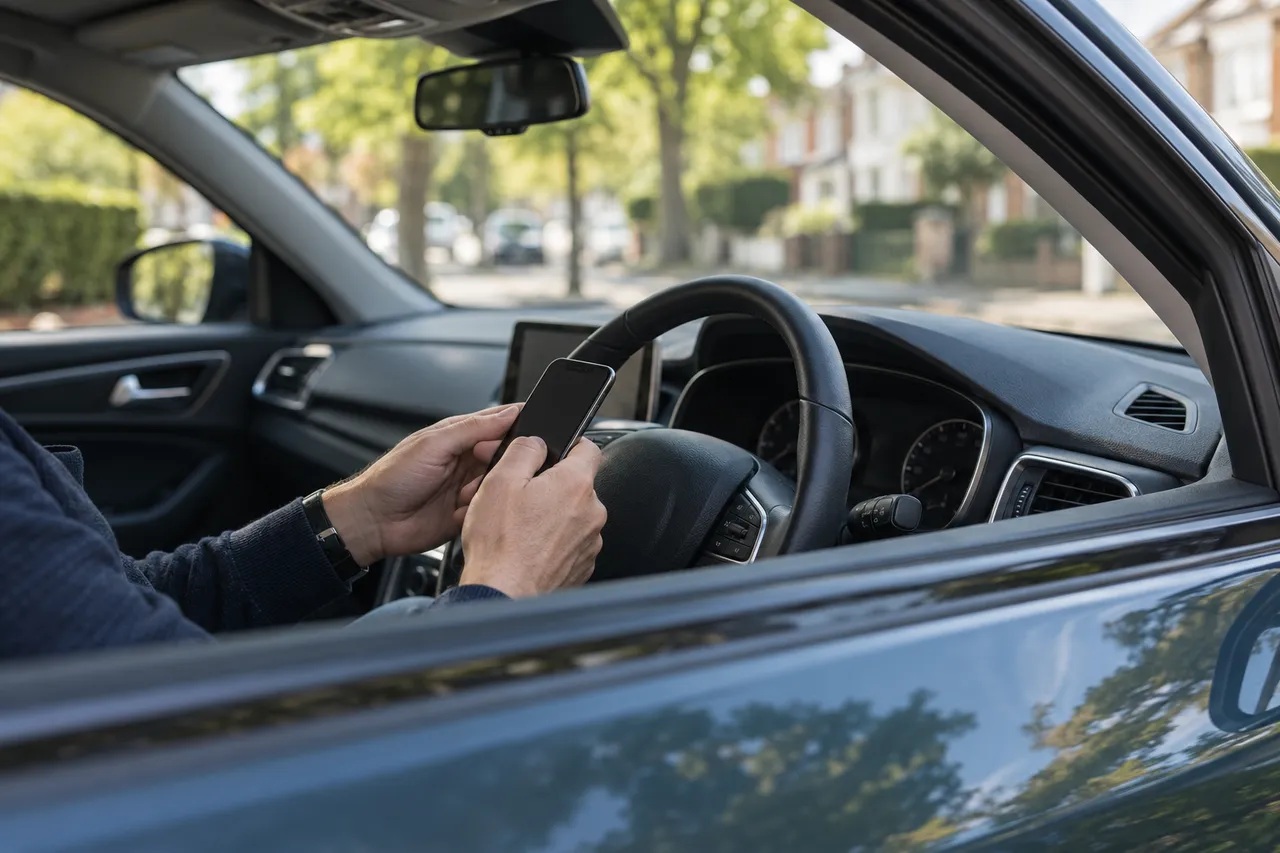
Transport for London's access guidance distinguishes several kinds of records, including Underground footage, bus-station cameras and recordings on individual buses. It also explains that on-board bus CCTV is held by the company operating the service. That makes the route, direction, time and vehicle description important starting information. A request addressed simply to London transport may not reach the organisation holding the relevant material.
Preservation and disclosure are separate objectives. In a prompt message, identify the incident precisely and ask what process applies to retaining relevant material. Keep the acknowledgement and the description you submitted. If the holder needs more detail, answer promptly and preserve that exchange. A request for personal data is not a guarantee that every camera recorded the incident, that the recording survives or that footage of other people can be released to you.
TfL says its traffic-monitoring cameras do not record images. Do not therefore infer that a camera overlooking a junction provides an available collision recording. Other possible sources require their own enquiries: a vehicle camera, nearby business, station system or witness's phone. Describe their possible relevance without claiming that footage exists. An adviser can consider lawful routes for obtaining material where direct personal-data access does not resolve the evidential need.
A bus injury needs more than the route number
A passenger can be injured while boarding, moving towards a seat, standing during travel or leaving the vehicle. Record which of those stages applies. Explain whether the bus moved, another vehicle was involved, a door operated or a surface caused the problem. Note where you were holding on, what you could see and what you learned only afterwards. Avoid presenting a sudden movement as negligent solely because an injury followed it.
A hypothetical passenger might fall when a bus brakes but be unable to see why the driver reacted. Evidence about traffic ahead could materially change the assessment. Another passenger might catch a foot at the boarding point before the bus moves; that raises a different investigation. Keeping those mechanisms distinct helps avoid a broad allegation that overlooks the actual cause. Your description should not be improved later to fit what you believe compensation rules require.
Save payment or ticket evidence that can help locate the journey, together with the report reference and any response from the operator. Witnesses should record their own observations independently. If a companion was also injured, identify that fact and whether they have sought advice; interests may not always be identical. The practice must consider each proposed client's position before accepting joint or separate instructions arising from the same event.
Underground and station incidents: locate the precise feature
For a station injury, identify the part of the station involved rather than giving only its name. A staircase, escalator, lift entrance, platform edge and ticket hall involve different observations and records. Explain the direction you were travelling, the level or exit if known and what happened immediately before the injury. An old photograph of the station can help orientation, but label it clearly so it is not mistaken for an image from the day.
Describe temporary conditions as carefully as permanent features. If there was liquid, work equipment, a barrier or crowding, record where it was and what you actually observed staff doing. A warning sign matters in context: its position, visibility and relationship to the hazard are more informative than the bare statement that a sign existed. Do not return to a dangerous or restricted area to obtain measurements. Existing photographs, witnesses and appropriate records may be safer sources.
Station staff may create a report, arrange assistance or give a customer-service reference. Keep the names or identifiers provided without demanding personal details. A report that assistance was given is not necessarily an admission of fault. Equally, the absence of a detailed report in your possession does not mean that no operational record exists. Tell the adviser what was reported, to whom and when, including any uncertainty about those details.
Road collisions: build a sequence that can be tested
For a London road collision, explain the movement of each vehicle or person using the layout at the time. Start with your approach, position and intended movement, then describe the impact and what happened afterwards. Separate your observations from another person's explanation. If you did not see the other vehicle until impact, say so. A careful limit on what you remember is more useful than an apparently complete reconstruction based on assumptions.
Preserve original photographs and dashcam files, including the lead-up where available. Mark a separate copy if you want to highlight a vehicle or point of impact; keep the original unchanged. Record registrations, insurer correspondence and a police reference where one exists. Damage evidence can assist with a sequence, but the appearance of a bumper cannot alone establish the severity, cause or duration of an injury. Medical and financial evidence answer different questions.
A collision may generate repair, hire-car, insurance and bodily-injury correspondence at the same time. Keep those streams identifiable. Before accepting a payment or signing a release, establish what it settles and whether a representative is already dealing with another part of the matter. Tell the practice about every existing claim reference, even if the other organisation describes its involvement as an administrative service rather than legal representation.
Walking, cycling and the disputed crossing point
An injured pedestrian or cyclist may face questions about visibility, route choice, signals and the actions of several road users. Record the crossing point or manoeuvre accurately, including where you were immediately before it. Do not change the location in a later account because a nearby crossing appears more favourable. If roadworks or parked vehicles affected sightlines, explain what they obscured and from whose position, supported by photographs where safely available.
For a cycle incident, preserve the bicycle and damaged equipment where practicable, with photographs before repair or disposal. A collision with a vehicle, a door opening into the route and a fall associated with a surface defect are distinct mechanisms. Identify which one you observed rather than describing all cycling injuries as road traffic collisions. Record whether an inspection or repair has already altered the equipment, and keep the invoice and any findings.
Arguments about shared responsibility require analysis, not an assumption that one disputed action ends the claim. Provide evidence that may be inconvenient as well as evidence you consider helpful. Clothing, lights, speed estimates or use of a crossing should be described factually without inventing precision. An adviser can assess the legal significance alongside the other party's conduct, the available records and the actual cause of the accident.
Highway defects and private surfaces need different enquiries
A pavement claim usually needs evidence of the feature said to have caused the fall and its relationship to the route taken. Photograph the wider scene and the particular defect if it can be done safely. Include a reliable reference for scale without changing the surface. Record whether you saw the feature before the fall, whether anyone pointed it out afterwards and what connects it to the mechanism of your injury.
Do not assume that every London pavement belongs to the nearest borough or that every marked traffic route is maintained by the same organisation. The road, footway, forecourt and utility installation may require separate checks. A repair report helps identify a hazard but does not itself establish that the recipient controlled it or breached a duty. Keep any allocation, inspection or redirection information supplied in response rather than retaining only the automated acknowledgement.
If a defect is repaired after the incident, record when you first noticed the change and preserve earlier images. A later repair is not automatically an admission of liability. The condition and inspection history before the accident may remain important. Equally, avoid treating another resident's claim that the defect was longstanding as established fact; obtain their own dated account and identify the source of any older photograph or report.
Workplace injuries across several London sites
Some workers attend different sites during the same week, receive instructions from an agency and use equipment supplied by another business. Identify the site where the incident happened and who organised the particular task. Your payslip employer, the premises occupier and the supervisor on the day may not be the same organisation. Provide the relevant names without deciding in advance that only one could matter to the assessment.
Describe the task step by step: what you were moving, operating, reaching or cleaning; what instruction you received; and what changed immediately before the injury. Training records and written procedures can be relevant, but a signature on a training sheet does not reveal everything about how work was actually performed. Explain staffing, equipment availability and any specific concern raised before the event. Preserve messages lawfully available to you and avoid accessing another person's restricted account.
A workplace report, a regulator's investigation and a compensation claim serve different purposes. Record whether the accident was entered in the employer's system and who received your account. If an entry is inaccurate, explain the difference in a dated correction while retaining the original. Do not wait for a disciplinary or health-and-safety process to finish before asking about a legal deadline. Advice about an employment dispute may also require a separately agreed scope.

Shops, hospitality and premises open to the public
A customer injured in a London shop, restaurant or other venue should record the exact location within the premises and the condition involved. A spill, unstable display, broken chair and scald require different evidence. Identify what you touched or stepped on and what you saw before and after the incident. Keep a receipt or booking record when it assists with time and place, but do not assume that buying something is necessary before any legal duty can arise.
Ask whether an incident report was made and retain the reference or copy offered. If staff cleaned the area, moved an item or placed a sign after the event, state the sequence without portraying every response as a concession of fault. Relevant questions can include how the condition arose, what system addressed it and what the operator reasonably knew. Those matters may depend on records beyond the injured person's immediate observations.
Where a building contains several businesses, identify the trading name and the area controlled by each as far as you know. A shared entrance or managed courtyard may involve a separate organisation. Lease arrangements should not be guessed from a shop sign. Provide correspondence from the occupier or insurer, including any explanation that another party is responsible, so that the legal assessment follows the evidence about control rather than a familiar brand name.
Need help assessing the next step?
Call +44 7344 141 814Treatment records and the account given at the time
Your healthcare record may describe the injury, symptoms and history given during treatment. Keep appointment dates, discharge information and referral details. If you received initial care in London and subsequent care near home, identify both providers. A solicitor may need a coherent chronology across them. Do not send an entire unrelated medical history with a first enquiry; explain what records exist and use the agreed method for supplying relevant material.
If symptoms appeared later, record when they first became noticeable and what you did in response. A delay may need explanation, but inventing immediate symptoms creates a larger problem. Describe earlier similar symptoms or injuries openly, together with the changes you attribute to the event. Assessment may involve distinguishing a new injury, an aggravation and an unrelated condition. That is a medical-evidence question rather than something the website can resolve from a short description.
Seek healthcare according to your clinical needs. A claim should not drive you to undergo unnecessary treatment or ignore professional advice. Keep evidence of recommendations, attendance and any practical difficulty accessing care. If you are considering privately funded treatment, ask about the costs and the claim implications before assuming repayment will follow. An insurer's willingness to fund a session does not necessarily establish the overall value or responsibility issues in the case.
When the concern is the treatment itself
A disappointing treatment result does not automatically show that a healthcare professional was negligent. Explain the specific concern: what was done or omitted, when you became aware of it and what harm you believe followed. Keep the treatment timeline separate from the accident timeline if care followed an earlier injury. An adviser needs to understand whether you propose a claim about the original event, the care provided afterwards or both.
Identify the provider responsible for the relevant episode. A hospital building, an NHS trust, a private clinic and an individual practitioner are not interchangeable descriptions. Where treatment moved between organisations, make a simple list of referrals, appointments and decisions. Include any complaint response in full, even if only one paragraph appears helpful. It may explain the clinical reasoning or point to a record that needs further assessment.
Complaints and compensation seek different outcomes. You may want an explanation, an apology, a correction or damages for avoidable harm; say which matters to you. The firm must confirm whether clinical-negligence work is within the instructions it can accept. An enquiry about an injury on these pages does not guarantee access to a particular medical expert, a favourable opinion or representation against the treatment provider.
Record the financial effect of living and working in London
Lost earnings need evidence of the income you would probably have received and what actually happened during recovery. Keep payslips, absence records and the employer's explanation of sick pay. If you work variable hours, preserve rotas, regular booking patterns and messages about cancelled shifts. Do not simply multiply the best week you have ever worked by the number of weeks affected. An accurate account also identifies pay or benefits received during absence.
For self-employed work, distinguish turnover from profit and explain replacement labour, cancelled commissions and work completed later. A diary entry may show that an appointment was cancelled, but accounts and invoices help explain its financial significance. If an accountant assists, ask them to identify the records underlying any calculation. Do not present a gross invoice total as personal lost income without considering costs that were saved or payment ultimately received.
Travel and care expenses should be connected to the injury and documented. A replacement journey may cost more than your usual commute; record the additional amount and why the change was needed. Family help should be described by task and time, with ordinary household arrangements distinguished from extra assistance. Keep receipts and a simple dated record without assuming that every expense or hour will be recoverable from another party.
Serious injuries need a view beyond the first few weeks
When an injury has lasting consequences, a quick settlement figure may obscure uncertainty about recovery, care or employment. Describe current needs and the questions clinicians have not yet answered. A person may be able to return to a desk but still struggle with concentration, fatigue or travel. Record those effects consistently and in practical terms, rather than relying solely on a diagnosis label or the number of days spent in hospital.
An illustrative example is a worker who initially returns for short shifts with a relative providing transport. A payslip may suggest little immediate income loss, while the arrangement conceals reduced hours, support needs and uncertainty about sustainability. Evidence should explain the arrangement honestly, including improvements and setbacks. It should not assume that temporary difficulties will be permanent or that early improvement removes every future issue.
Ask what information is required before valuation and what the proposed legal work would cover. Rehabilitation arrangements, expert evidence and possible interim funding each need assessment on the facts. None is promised by making contact. If family members are coordinating documents, identify who is authorised to give instructions and how the injured person can participate. Capacity, communication and privacy may require attention before substantive decisions are made.
Visitors and people whose journey continued beyond London
You can enquire about an accident in London even if you live elsewhere. Give your usual residence, the accident location and any travel plans affecting access to records or examinations. A visiting worker may have an employer abroad, overseas insurance and treatment in more than one country. Those connections can influence the practical and legal assessment, so disclose them early rather than assuming that the place of the first hospital visit answers every jurisdiction question.
Travel-related incidents require particular care with the sequence. An injury on a pavement before departure, on board a flight, during a cruise or within a package holiday may engage different rules. Identify the booking arrangements and the precise stage of travel. Keep tickets, confirmations and contractual documents. Do not apply a general personal-injury deadline to every transport or international claim without advice about the applicable route.
If you will be outside the country, establish a reliable contact method and tell the adviser about time differences or document-access difficulties. Remote communication may assist, but the firm cannot promise that every examination, signature or hearing can be handled remotely. Agree practical arrangements as part of the retainer. A London accident does not require you to describe the Manchester practice as a local branch in correspondence with another party.
Compare an offer with the evidence still missing
An offer should be understood through its terms, the evidence supporting it and the issues it would resolve. Keep the complete letter or message, not just the headline amount. Identify whether responsibility has been admitted, whether medical evidence is available and whether future losses remain uncertain. Some payments address repairs or immediate expenses while others seek a final settlement; the distinction should be checked before acceptance.
Make a short list of unanswered questions. Has the prognosis been clarified? Are earnings calculations supported? Is there a dispute about shared responsibility? Are costs or deductions explained? A solicitor's assessment should connect those questions to the decision you face. It should not replace uncertainty with a confident figure derived from an online calculator or a superficially similar account of someone else's accident.
If a deadline accompanies an offer, state the wording and receipt date immediately when contacting the firm. There may be legal consequences requiring prompt advice, but acceptance of urgent work still needs confirmation. Do not assume that forwarding a letter means someone has taken responsibility for responding. Where another representative is involved, any proposed transfer must address outstanding dates, existing fees and the practical handover of the file.
Agree private-fee work and check other arrangements
This London page is an invitation to enquire about private-fee legal work. Ask what a proposed assessment includes, how charges are calculated, which expenses may arise and what would require further authority. A defined review of evidence may be different from handling the entire claim. Written terms should make that distinction clear, so you do not assume that paying for one consultation includes negotiations, court proceedings or monitoring every incoming document.
Check whether an existing policy, employment arrangement or membership may provide relevant legal-expenses support, and give the policy terms to the adviser where appropriate. Availability and conditions require examination; an insurance logo on a document does not confirm cover for this particular incident. Similarly, no conditional-fee or free-consultation arrangement should be inferred from general compensation advertising or from another firm's terms.
Ask how the likely cost of the proposed work relates to the decision you need to make. If important evidence is missing, a staged instruction may be worth discussing, but the firm must confirm what it can offer. Be clear about your budget and whether you need permission before further expenditure. An honest explanation of costs, uncertainties and scope is more useful than a promise that compensation will pay for everything.
Send a London enquiry that can be assessed promptly
Use the contact options to give a concise account headed by the accident date and category. Include the exact location, the organisations involved, the main injury and any urgent document. State the decision you want help with and a safe way to contact you. List available evidence by type, such as photographs, an operator reference, treatment dates and insurer letters, rather than pasting an entire file into an initial message.
After contact, keep a note of what has actually been agreed. Ask who will obtain additional records, who will write to another party and which dates remain your responsibility. If the firm cannot accept the matter, or offers only a limited assessment, that does not pause a legal time limit. Obtain clarity early enough to consider another appropriate route. Avoid assuming silence, an automated reply or receipt of attachments confirms representation.
The aim is a practical decision grounded in your event and the work authorised. A London address alone does not establish liability, compensation value or the right defendant. Accurate location information, a candid history and preserved records allow the adviser to examine those questions. If new correspondence arrives while an assessment is being arranged, send a clear update identifying what changed rather than assuming the original summary remains complete.
Questions about your London enquiry
Do I need a London-based office to discuss my London accident?
You can ask the Manchester practice whether it can assess the matter and how communication would work. The location of a solicitor's office does not by itself decide the correct claim route. Explain any need for meetings, document assistance or attendance before instructing. The firm must confirm acceptance, practical arrangements and private-fee terms; this page does not represent that it maintains premises in London.
Can I identify a bus from my payment record alone?
A payment record may help narrow the journey, but it may not identify the precise vehicle or moment of the event. Add the route, direction, approximate boarding time and stops you remember. Preserve the original transaction information and distinguish a payment-processing time from the actual travel time. If uncertainty remains, explain it rather than supplying a guessed vehicle number to an operator or adviser.
Will TfL have a recording from a camera above the road?
Do not assume that the presence of a camera means a recording is available. TfL distinguishes monitoring and enforcement systems and explains that its traffic-monitoring cameras do not record images. Identify the location and possible controller, then ask about the relevant process. Other potential footage, including business or vehicle recordings, should be considered separately without claiming that any particular incident was captured.
What if I cannot remember which station exit I used?
Describe the route you took after leaving the train and any fixed features you recall. A ticket record, message, receipt or companion's account may help narrow the timing and exit. Keep those sources separate from your own memory. If you later revisit a map or photograph, explain that it helped identify the location rather than suggesting you remembered every detail unaided from the outset.
Does reporting a broken pavement start a compensation claim?
A maintenance report alerts the recipient to a condition and may provide a useful reference, but it should not be treated as a completed legal claim. Retain the report, photographs and any allocation response. An adviser still needs to examine responsibility, the condition at the relevant time and the evidence connecting it with your injury. A repair acknowledgement does not automatically establish liability or preserve proceedings deadlines.
Should I obtain witness statements from fellow passengers myself?
Ask for a safe contact method and whether they are willing to describe what they observed. Let each person provide their own account without a shared script or pressure to agree with you. Record whether they saw the event, its aftermath or both. A solicitor can advise how formal evidence should be obtained; an enthusiastic passenger's conclusion that someone was at fault is not a substitute for observations.
Can a claim concern an accident at my temporary work site?
Tell the practice where you were working, who paid you, who controlled the task and who supplied the equipment. A temporary placement can involve several organisations, so a payroll name alone may not identify every relevant party. Preserve assignment details and instructions lawfully available to you. Acceptance depends on the facts and scope; temporary status neither establishes responsibility nor makes an injury enquiry pointless.
What if I reported the accident only to a security guard?
Provide the guard's employer or the premises name if known, the time and the substance of what you said. Keep any reference or later correspondence. Reporting to security may create useful evidence, but it does not necessarily notify an insurer or the organisation legally responsible for the hazard. Explain whether the guard witnessed the event or attended afterwards, since those are different sources of information.
Can a receipt establish the exact accident time?
A receipt can be a useful timing reference, but explain whether it was issued before, during or after the incident. Payment systems and clocks may not align perfectly with your recollection. Preserve the original and avoid altering its timestamp to fit another record. A sensible chronology distinguishes a confirmed transaction time from an estimated accident time and identifies why the estimate is reasonable.
My first treatment was outside London; does that cause a problem?
List where and when you received care and explain the journey between the accident and treatment. The location of a clinic does not by itself determine whether an injury relates to a London event. Medical evidence may need to address the history, symptoms and any delay. Keep discharge information and subsequent appointment details so the adviser can understand the full treatment sequence across providers.
Should I include symptoms that improved quickly?
Give a complete, proportionate account, including improvement. A short-lived symptom may be relevant to the early history even if another problem remains. Do not omit recovery to make the claim appear more serious, and do not assume that returning to one activity means every effect has ended. Dates and practical examples help an adviser distinguish resolved symptoms, continuing limitations and concerns that need medical assessment.
Can my partner's extra travel and household help matter?
Record the tasks and journeys undertaken because of the injury, their duration and how they differ from ordinary arrangements. Keep receipts where there are additional expenses. The legal assessment determines whether particular care or costs are recoverable; the existence of help does not automatically establish an amount. Avoid making artificial invoices for family assistance or counting ordinary time together as injury-related care.
How should I describe loss from freelance work?
Identify bookings, contracts or regular work affected and provide the records supporting the expected income. Explain any work postponed, replacement help and costs saved. Turnover is not the same as profit, and a cancelled booking may not equal a complete lost fee. A clear account of what would probably have happened, supported by invoices and accounts, is more useful than a rounded estimate of financial hardship.
What if a shop says its cleaning contractor is responsible?
Keep the complete response and identify the condition that caused the accident. A contractor's involvement may be relevant, but the shop's statement does not itself settle the legal allocation of responsibility. The adviser may need information about control, systems and the work actually undertaken. Do not discard evidence about the occupier simply because you have been given a different company name or insurance address.
Can I discuss a London injury while living overseas?
State your country of residence, travel dates and the location of the accident, together with any overseas employer, insurer or representative. Those facts help assess jurisdiction and practical arrangements. Do not assume that every necessary step can be completed remotely. The firm must confirm whether it can accept the proposed work and how documents, communication and any examination or attendance would be managed.
Does an apology from staff mean responsibility is admitted?
An apology or offer of assistance can acknowledge that something upsetting occurred without accepting legal liability. Record the words used as accurately as you can, who said them and the surrounding circumstances. Keep any written follow-up. The assessment should consider that material alongside the incident evidence, rather than treating a courteous response as conclusive proof or dismissing it as irrelevant without examination.
Should I wait for a formal diagnosis before asking about deadlines?
You can seek advice about timing before every medical question is resolved. Give the accident date, symptom history and any information about when the possible connection became apparent. Different claim routes and circumstances can affect limitation. Do not assume an unresolved diagnosis, ongoing complaint or pending records request automatically stops time. The practice needs to confirm whether urgent work can be accepted and what it would cover.
Can I change solicitors after receiving an offer?
A possible transfer needs careful examination of the offer, existing retainer, file stage and response dates. Identify the current firm and provide the complete offer correspondence through an agreed channel. Contacting a second practice does not transfer responsibility or terminate the first instruction. Clarify costs, authority and who is dealing with urgent steps before relying on any new arrangement to protect your position.
Will a social-media post affect the evidence?
Posts, photographs and messages may form part of the factual record. Give the adviser an honest account of relevant material and preserve originals where appropriate. A single image may not explain pain, assistance or what happened before and afterwards, but that context should be explained accurately. Do not fabricate restrictions, stage photographs or delete material to create a misleading impression of the injury's effect.
What confirmation should I request before relying on the firm?
Ask for written confirmation of the client, the work accepted, the charges and the responsibility for any urgent date. Make sure you understand what remains outside the scope and what information you must supply. An enquiry acknowledgement is not enough. Clear instructions matter particularly where an insurer, former solicitor or complaint handler is already involved and several people might otherwise assume someone else is taking action.
Official sources used for this page
Sources checked 3 October 2026. General information does not determine the route or deadline in an individual case.