
Discuss your claim · Manchester
Updated
Personal Injury Solicitors in Manchester
An injury on a Manchester road, bus, tram, workplace or public space needs an assessment grounded in the accident and its consequences. Find the documents that matter, identify the organisation involved and discuss whether legal representation is appropriate before agreeing to costs or a settlement.
Manchester-based practice. No outcome, compensation amount or funding arrangement is guaranteed. The firm confirms scope, conflicts and terms before accepting instructions. This page concerns general injury-claim preparation, not medical treatment or personalised legal advice.

Find the issue you need assessed
Start with the accident, not a compensation figure
A useful first discussion about a Manchester injury starts with what happened, when it happened, where it happened and what has changed for you since. The value of a claim cannot sensibly be separated from those facts. A photograph of an injury may show its immediate appearance but will not establish responsibility, the likely recovery period or the effect on paid work and everyday activities. Describe the incident in your own words before trying to place it in a compensation bracket.
Alexander James Solicitors is based at 59 Cheetham Hill Road, Manchester. Use the call, WhatsApp or email options on this page to ask whether the firm can assess your circumstances. Acceptance depends on matters including conflicts, scope, evidence, funding and capacity. A message sent to the firm is not an instruction to start proceedings and does not transfer responsibility for an approaching deadline. If a date is urgent, identify it at the beginning of the conversation.
You do not need to know whether the correct label is public liability, employers’ liability or road traffic negligence before making contact. Explain the sequence and your role: pedestrian, passenger, driver, employee, customer or visitor. A case may involve more than one category, and choosing a label too early can obscure another possible responsible party. Existing insurer correspondence, a claims-management agreement or another solicitor’s involvement should also be disclosed at the outset.
Manchester city and Greater Manchester are not interchangeable
The address of the accident matters more than the broad description “Manchester”. A journey or working day may cross several council boundaries, pass through transport property and finish on privately managed premises. The organisation maintaining a pavement is not necessarily the one operating an adjacent station, car park or shopping development. Record the street, building entrance, direction of travel and the precise feature involved. A postcode helps but may cover more than one potential site.
For an incident described as a city-centre fall, distinguish the adopted footway from a shop threshold, privately managed forecourt, station concourse or construction access. Explain whether you were approaching, entering or leaving the premises. That distinction helps identify what needs investigating; it does not by itself prove that the council, occupier, contractor or landowner is liable. Avoid choosing a defendant simply because its name appears on a nearby sign.
If you live in Manchester but were injured elsewhere, give both addresses. Residence may make this practice convenient to contact, but it does not automatically determine the governing law, available claim route or hearing venue. Equally, a visitor injured in the city can describe the event without suggesting that they live locally. Keep the enquiry anchored to the actual accident location and the parties’ involvement rather than an assumed geographical entitlement to compensation.
Preserving Manchester CCTV without assuming it exists
Manchester City Council publishes a process for requesting footage from its on-street cameras. Its current guidance asks for the camera location, date, time period and what the person was doing, and describes requests relating to footage from the preceding 31 days. Availability is not guaranteed. Treat that as a reason to identify possible footage promptly, not as permission to wait until the last day. A visible camera may face elsewhere or belong to a different controller.
A request to preserve a recording and a request to receive a copy are different steps. Make clear which incident you are identifying and keep the acknowledgement. Data-protection considerations may affect what can be disclosed and whether other people are obscured. The council’s process does not cover every private shop camera, bus recording or residential doorbell. Your solicitor can consider the appropriate route where a third party controls material relevant to a potential claim.
Prepare a short description that will let the record-holder locate the event: approximate time, clothing or vehicle description, travel direction and a recognisable point on the street. Where the time comes from a receipt or phone record, say so. Preserve the original timestamp and note any uncertainty. Do not alter a recording to make the sequence look clearer; retain the complete file and provide a separate explanation of the passage you think matters.
Bus and Metrolink incidents need a journey record
A Bee Network or Metrolink enquiry should identify the journey and the part of it during which the injury occurred. A fall while boarding, movement inside a vehicle, a collision on the road and a defect at a stop present different factual questions. Record the route or service, direction, boarding and alighting points, approximate time, vehicle identifier if available and whether the incident was reported to staff. Keep ticket or payment evidence that may help identify the journey.
TfGM publishes CCTV privacy information covering systems used across the Bee Network. That is a starting point for finding the relevant record-holder; it does not establish that TfGM holds every recording or bears responsibility for every incident involving a bus or tram. The operator, infrastructure arrangements and particular location may matter. Describe any report already made, including its reference, so that requests can be directed coherently rather than sent as several inconsistent versions of the event.
For an injury inside a vehicle, explain where you were and what you were doing immediately before the movement. Were you seated, standing, using an available handhold, moving towards an exit or assisting someone else? Record what you actually saw about braking or the surrounding traffic. A sudden movement does not alone prove negligent driving, and a lack of visible vehicle damage does not settle the injury question. Independent observations and a complete sequence can be more useful than a forceful conclusion about fault.
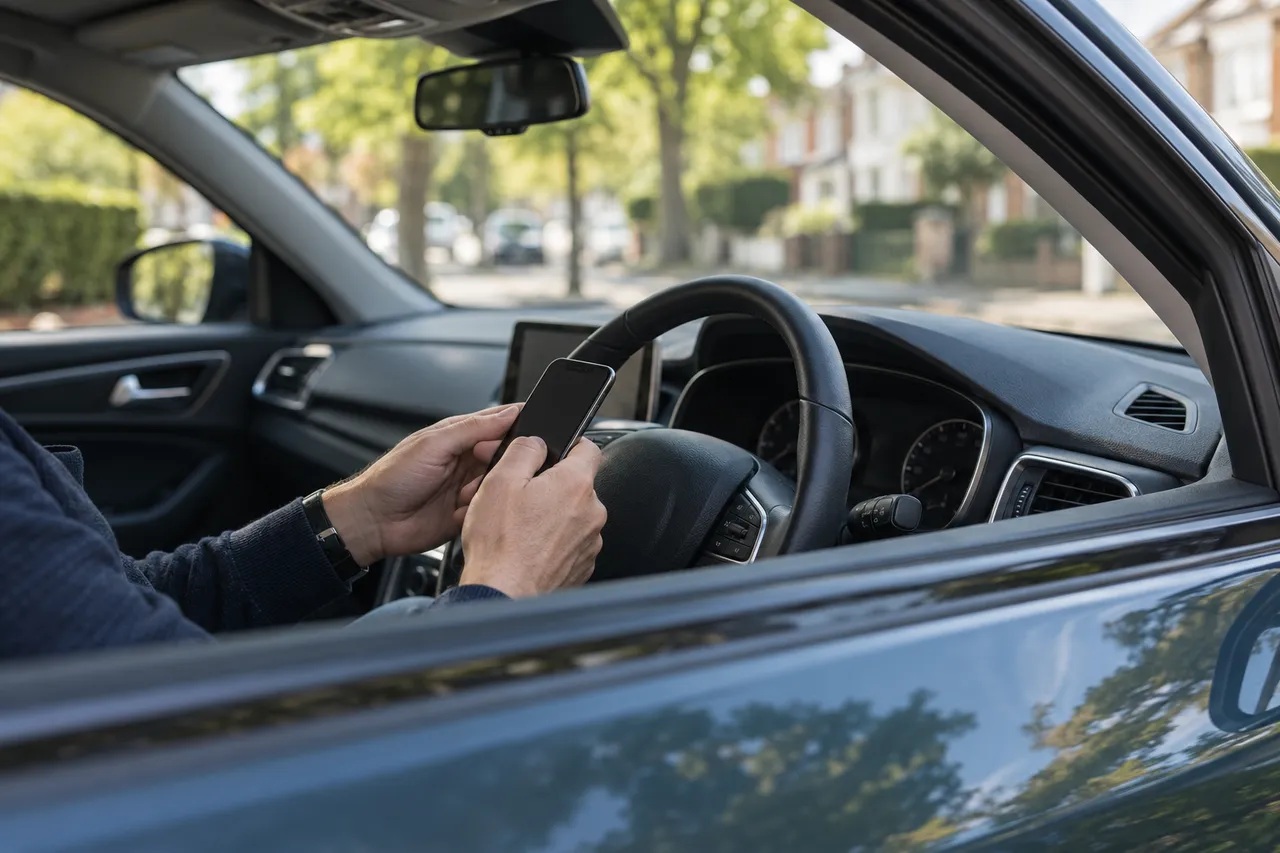
Road collisions: keep the injury and vehicle files distinct
Motor insurers may deal with vehicle repairs, recovery, storage or hire before the injury claim has been assessed. Retain those references and agreements, but do not assume that a person arranging a replacement car is also advising on medical evidence or settlement of bodily injury. Ask what each representative is instructed to handle. If different businesses have contacted you, make a list of names, dates and documents signed so overlapping arrangements can be identified before further commitments are made.
For a Manchester road collision, a useful account includes the road and junction, lane, traffic signal or give-way arrangement, movement of each vehicle and point of contact. Separate observations from estimates about speed or distance. If you did not see another vehicle until impact, say that. Dashcam footage from the approach can be more informative than a still image showing the final positions, and photographs should be kept with their original files where possible.
Some lower-value motor injury claims fall within Official Injury Claim, while others need a different route. The service has eligibility conditions involving the claimant, accident and claim value; it is not the route for every road user or every minor injury. The official eligibility guidance is linked below. Explain whether you were a driver, passenger, cyclist, motorcyclist or pedestrian, and ask about the cost of representation before assuming that a legal fee will be recoverable from the other side.
An unidentified or uninsured driver changes the investigation
A driver leaving the scene can make the first days after an accident particularly confusing. Record the registration, vehicle description, direction of travel, police reference and anything a witness independently observed. Do not fill a missing registration character from guesswork. If a nearby camera might show the vehicle, identify its location while explaining that the recording has not yet been obtained. Retain any messages from an insurer that explain what it has or has not been able to establish.
The Motor Insurers’ Bureau provides claim routes for certain uninsured and untraced driver incidents. Its agreements and procedures have their own requirements, and they should not be treated as an automatic substitute for an ordinary insured claim. Whether the driver is unidentified, known but uninsured, foreign-registered or simply disputing responsibility makes a difference. An assessment should establish the relevant route before documents or offers are accepted on an incorrect assumption.
The urgency of preserving evidence remains even if someone has said that a compensation scheme might apply. A scheme does not reconstruct a collision for you, guarantee an award or remove the need for a coherent account of injury and loss. Keep the accident report, police correspondence and any reason given for an investigation being closed. Those documents may help clarify the factual position without implying that the result of a police investigation decides civil responsibility.
Pavement and public-space injuries require precise control evidence
After a fall, photographs should explain the location as well as the defect. A close-up may show a broken surface but not establish where it lies or who controls it. Where it is safe to do so, preserve a wider view showing the approach, nearby entrance or street feature and the direction in which you were moving. Record when the photographs were taken. Later repair work or a later inspection may make the location look different from the day of the accident.
Reporting a hazard and making a compensation claim serve different purposes. A report may help the responsible organisation address a continuing risk; it does not itself establish an admission of liability or commence court proceedings. Keep the reference and the wording of any response. The legal assessment may need to consider inspection, maintenance, previous reports, the nature of the hazard and the circumstances of the accident rather than relying on the fact that a defect was present.
Manchester City Council’s road and pavement reporting route is appropriate only where the matter falls within its responsibility. A private development, another Greater Manchester borough or the strategic road network may involve a different organisation. If the responsible party is unclear, provide the exact place and the information you have rather than repeatedly submitting a claim under different names. An incorrect assumption about ownership can consume time while relevant evidence becomes harder to locate.
Shops, venues and managed premises: identify the hazard’s history
A customer injury in a shop, restaurant or venue is not assessed solely by asking whether a floor was wet. The circumstances may include the source of a spillage, how long it had been present, cleaning arrangements, warnings, lighting and the route available to visitors. Describe the condition as you saw it and any action staff took afterwards. A later warning sign may be relevant, but it does not establish when the earlier condition arose or who knew about it.
Keep the accident-book reference, purchase or booking record and details of anyone who helped. If staff gave you a copy of an incident report, check whether it accurately records your account. You can identify an error without drafting a new version that goes beyond your recollection. Witnesses should provide their own observations; a group message agreeing a common narrative can make it harder to distinguish independent evidence from assumptions discussed after the event.
The trading name on a receipt may differ from the legal entity responsible for operating the premises. A property owner, tenant, managing agent, security contractor and cleaning company can have different roles. You are not expected to resolve those arrangements before asking for advice, but keep documents and correspondence that identify the businesses involved. The enquiry should focus on the alleged failure and its connection with the injury, not a list of companies chosen because they appear financially substantial.
Workplace injuries: distinguish employer, agency and site roles
A person working at a Manchester site may be employed by one business, supplied by an agency and working in premises controlled by another. Explain the employment arrangement as you understand it and supply the names shown on payslips, contracts, induction material and site instructions. Describe who allocated the task, provided the equipment and supervised the activity. Those details can affect the investigation without allowing liability to be allocated merely from a job title or uniform.
Record the task at the time of the accident, the equipment or load involved, the available working space and any instruction you received. If the equipment was replaced or removed afterwards, note what you observed rather than attempting to retain property without permission. Existing training records, risk assessments, maintenance information or messages about an earlier problem may be relevant. Do not access restricted systems or take other employees’ confidential records to try to strengthen a claim.
An accident-book entry and any employer investigation should be preserved. HSE reporting under RIDDOR applies to defined categories and is a separate regulatory process. The presence or absence of a RIDDOR report does not by itself answer whether you have a civil claim. Explain what was reported, by whom and when, and whether you have received a response. Continuing treatment, work adjustments and any immediate safety concern should be addressed through the appropriate channels alongside legal enquiries.

Need help assessing the next step?
Call +44 7344 141 814Agency, delivery and self-employed work need loss records
A disrupted working pattern is not always reflected in a single payslip. If you work through an agency or platform, keep booking histories, scheduled shifts, payment statements and communications about cancelled work. Explain the difference between an accepted assignment, a regular expectation of work and a hoped-for opportunity. That distinction helps an adviser examine loss without presenting every unworked hour as an established entitlement to compensation.
For self-employed work, turnover and personal income are not the same measure. Relevant records may include accounts, tax returns, invoices, expenses and evidence of replacement labour. Identify what changed because of the injury and what would have happened in any event. If a family member helped keep the business running, record the tasks and arrangements accurately. A business may have losses separate from the injured person, so the proper claimant and recoverability need assessment.
Do not create invoices or rewrite historical records to support an estimate. If a record is missing, say what evidence remains and why the original is unavailable. A reasonable explanation and supporting contemporaneous material are more useful than a document that appears to have been created at the time but was not. Keep any calculation separate from the underlying records so that assumptions, deductions and alternative explanations can be reviewed openly.
Treatment records and the recovery picture
Seek appropriate healthcare because your health requires it, rather than obtaining treatment merely to create a claim record. When describing the incident to a clinician, give an accurate history and explain symptoms and relevant prior problems. A compensation claim cannot determine which treatment you should have. Questions about medication, rehabilitation or a new symptom belong with a suitable healthcare professional, while the legal assessment considers the evidence needed to understand the consequences of the incident.
A useful recovery record is factual and proportionate. Note appointments, time away from work, help with specific tasks and changes in symptoms or ability. Avoid repeatedly testing an injury or exaggerating difficulties for a diary. Equally, do not minimise a problem because you managed to complete an activity once. Explain the circumstances, including assistance, breaks or a later effect, so the record describes your experience rather than offering a misleading yes-or-no picture of recovery.
Existing conditions should be disclosed when relevant. An earlier injury does not automatically prevent a later claim, but the assessment may need to distinguish a new injury, an aggravation and difficulties that would have continued anyway. Keep earlier and later records clearly dated. An independent expert may need that history to address causation and prognosis, and an offer made before the medical position is understood may not reflect the actual uncertainty.
Care, travel and practical losses after a Manchester accident
Ordinary activities can become difficult before there is a clear medical prognosis. Record the tasks for which help was needed, who provided it, when it was provided and how the arrangement differed from life before the accident. Separate hands-on assistance from ordinary companionship or activities another household member would have done anyway. A care record should describe what happened; whether and how it is recoverable is a legal and evidential question.
Travel records should identify the journey, purpose and cost. For example, distinguish treatment travel from an unrelated errand combined with the same trip. Keep receipts or booking records where available and explain missing ones. If an injury affects your ability to use your usual bus or tram journey, describe the practical difficulty rather than assuming every subsequent taxi fare will be recoverable. Reasonableness, medical evidence and alternatives may need consideration.
Keep a running list of expenses rather than sending disconnected photographs of receipts without context. Note which costs have already been reimbursed by an employer, insurer or another source. That helps prevent double counting and makes it easier to explain the outstanding loss. Do not incur major private treatment, equipment or accommodation expenditure solely because a claim is being considered; ask about necessity, funding and possible recovery before committing where circumstances permit.
Funding is a decision to make before signing
Ask for the proposed funding arrangement in writing and read it alongside the scope of the work. Private payment, an existing insurance policy and a conditional fee arrangement may involve different responsibilities and exclusions. A description such as “no win, no fee” does not answer every question about disbursements, insurance premiums, termination or deductions from damages. Suitability must be assessed for the particular claim, and availability must not be assumed from a general website description.
Useful questions include what you pay if the case succeeds, what you might pay if it does not, and what happens if you decide to stop or change solicitors. Ask how fees and any deductions are calculated, whether VAT is included and whether you will be asked to approve significant expenses. If several documents are provided, ask which one governs each charge. The object is to understand the financial decision before agreeing to representation.
Tell the adviser about any legal-expenses cover or other relevant arrangement already in place. Insurance may contain notification requirements or limits on the type of work covered; the policy needs checking rather than assuming it will fund a solicitor of your choice on any terms. This practice does not offer Legal Aid through the website. An initial contact is an opportunity to establish whether an assessment is available and what it will cost, not a promise of free representation.
Offers, admissions and pressure to settle
An insurer may accept some responsibility while disputing part of the injury or the claimed losses. Read the exact wording before treating the whole case as agreed. An offer can involve assumptions about medical recovery, contributory fault or the evidence supporting expenses. Preserve the offer, its date and any stated response period. If an offer is described as urgent, seek advice on its actual effect rather than accepting solely to end repeated calls.
A settlement can have consequences beyond the amount received immediately. Ask whether it resolves the entire claim, which losses it includes, what deductions apply and what uncertainty remains about recovery. Once a case is finally settled, it may not be possible to seek more simply because the consequences prove worse than expected. The relevant decision should therefore address the evidence and risks at that stage, not just compare a headline amount with a figure found online.
If you have already signed or accepted something, disclose it promptly. Provide the document and the surrounding correspondence rather than relying on a brief description of what you thought it meant. There may be different issues depending on whether you authorised representation, agreed vehicle arrangements or accepted a settlement. The firm cannot promise that an earlier agreement can be undone, but it cannot assess the position accurately without knowing that the agreement exists.
Children, support needs and who gives instructions
For an injured child, explain your relationship to the child and who has responsibility for providing instructions. A parent’s own losses and the child’s injury are not automatically the same claim. Keep school absence, treatment and support records with clear dates, and avoid discussing the child’s private medical circumstances publicly to attract witnesses. The assessment should identify the proper representation arrangements and how decisions will be made in the child’s interests.
Court approval requirements can apply to settlements involving children and protected parties under Civil Procedure Rule 21. This is not an optional formality that a parent can simply waive because an insurer has offered an acceptable sum. The proposed settlement and management of funds need appropriate consideration. Tell the solicitor about any existing court involvement, relevant orders or disagreement about who should act, rather than assuming a signature from any relative will be sufficient.
An adult’s need for help with communication does not itself establish a lack of capacity to make legal decisions. Explain the assistance required and ask about appropriate arrangements without having someone else take over by default. If capacity is a concern, the issue needs proper assessment in relation to the decision. Do not send confidential information about another adult unless you have an appropriate basis for doing so and the firm has explained how it should be provided.
Prepare a record-holder map before the first assessment
A Manchester enquiry becomes easier to assess when the documents are grouped by the organisation likely to hold the original record. Imagine, for example, that you travelled by tram, entered a shopping premises, fell near an entrance and then received treatment. The travel record, premises incident report and medical record answer different questions. Make a simple table with four columns: the event or document, its approximate date, the organisation contacted and the response received. This is a preparation exercise, not a conclusion about responsibility. If you do not know who manages an entrance, mark that entry as unresolved instead of choosing the most familiar public body. Include a photograph or precise description that explains which entrance you mean. A solicitor can then see both the material available and the ownership questions that need investigation. The same approach helps where the correspondence refers to Greater Manchester while the accident itself happened within a particular borough. Keep the actual site description alongside each reference, so records from different places are not accidentally treated as one incident.
Use a separate entry for each version of a record. An initial accident report, a later correction and an insurer's summary should remain distinguishable even if they describe the same event. Note who prepared each version and what information they had at that time. If a family member made the first report while you were receiving treatment, say which details came from you and which they personally observed. Do not rewrite the earliest account to make every document agree. A discrepancy about time, direction or symptoms may have an ordinary explanation, but the adviser needs the underlying records to assess it. Before the first appointment, identify the three questions you most need answered: for example, whether evidence should be preserved, whether a particular party needs investigating, or whether the proposed work is affordable on private terms. Send the document index first if the file is large and ask how the originals should be supplied securely. This keeps the enquiry focused without turning an incomplete file into a claim of proven liability. Written confirmation of the next step remains important even when the initial discussion is encouraging.
Build an evidence file that separates original records, gaps and later corrections.
Check the questions behind an initial personal injury claim assessment.
Deadlines, records already held and the next practical step
The usual limitation rules for an injury claim have important exceptions and interact with particular procedures. Tell the firm the accident date, when a problem was first understood, the injured person’s age at the relevant time and any proceedings or scheme application already started. A case involving a child, capacity issue, fatal accident, overseas event or specialist scheme should not be treated as a routine calculation from a general online statement.
A request for CCTV, a complaint to a business or an insurer’s ongoing investigation does not necessarily preserve the right to bring proceedings. If someone has given you a deadline, retain the original letter and identify what it relates to. Do not assume that a long period of correspondence means that time has stopped running. Where the deadline may be close, make that clear in a call and obtain confirmation of who, if anyone, has agreed responsibility for the necessary action.
For your next contact, prepare a short chronology and an inventory of documents rather than emailing an unstructured archive. The first discussion can establish which records are useful and how sensitive material should be transferred. Identify the outcome you need now: advice about responsibility, funding, an offer, an approaching date or transfer of an existing claim. That gives the assessment a practical purpose while leaving medical treatment and urgent safety matters with the appropriate services.
Questions about your Manchester enquiry
I live in Manchester but the accident was in another borough. Which address should I give?
Give your contact address and the precise accident location separately. Include the street, premises or transport stop and explain any uncertainty about the boundary. The location of your home does not establish who controls the accident site. Keeping the two addresses distinct helps avoid a claim or evidence request being directed to the wrong council or business.
Can I visit the Cheetham Hill Road office without arranging an appointment?
Contact the firm first to confirm whether it can assess the matter, whether an appointment is available and what documents or identification to bring. Do not travel on the assumption that a particular solicitor will be available to see you. Telephone, WhatsApp and email provide ways to start the discussion, including explaining mobility or communication needs before arrangements are made.
I fell near a Manchester tram stop. Is it automatically a transport claim?
No. Explain whether the fall occurred on a platform, access route, adjoining footway, crossing or other land. Identify the condition that caused the fall and the exact position, rather than relying only on the name of the stop. The relevant investigation concerns control, maintenance and the alleged failure; proximity to transport infrastructure does not by itself establish liability.
What if my ticket disappeared from the app after a bus incident?
Retain other records already available, such as a payment entry, journey notification or message sent at the time. Note the route, approximate boarding time and stops while your recollection is fresh, marking estimates clearly. Explain which record is missing instead of reconstructing a ticket. Other evidence may assist with identifying the journey, although no particular record can be guaranteed to remain available.
Should I request every camera recording from the city centre?
A focused request is more useful than an undefined request for all footage. Identify where the incident occurred, the relevant time window and what the recording might show. Different cameras can belong to different organisations, and some may not cover the event. Keep a list of requests and acknowledgements so an adviser can see what has already been sought without duplicating or contradicting it.
Does a repair to the pavement prove the council accepted fault?
A repair may show that work took place, but it is not by itself an admission about the earlier accident. Preserve the date, photographs and any explanation received. The assessment still needs to consider the condition at the relevant time, responsibility for the location and the applicable legal duties. Avoid presenting later maintenance as conclusive evidence of every element of a claim.
Can I claim if there is no accident-book entry at the premises?
The absence of an entry does not automatically settle the legal position. Describe whether you tried to report the incident, whom you spoke to and why no record was made if you know. Other contemporaneous evidence may be relevant. Do not ask someone to backdate a report; any later account should state when it was created and what information supports it.
My employer says the agency is responsible. What should I send?
Provide the agency details, employer name shown on your documents, site operator and an account of who directed the task. Keep the message allocating responsibility, but do not assume it is legally decisive. Contracts, instructions, equipment arrangements and actual control may need examination. A short factual account is preferable to trying to resolve the employer-agency relationship yourself before asking for advice.
Will making contact through WhatsApp start my claim?
No. WhatsApp is a contact channel, not confirmation that representation has begun. Start with a brief outline, contact details and any urgent date. The firm must confirm whether it can act and agree the work and funding. Avoid sending a complete medical file or identity documents through an initial chat; ask which secure arrangements should be used for sensitive records.
Must I give up work entirely before lost earnings can be considered?
Explain the actual effect on work, including reduced hours, changed duties, missed shifts or a period of absence. Keep the supporting records and identify what was caused by the injury rather than another event. Recoverability and calculation depend on the evidence. Continuing to work does not justify inventing a loss, and stopping work solely to improve a claim is not appropriate.
Can a family member’s help be relevant if I did not pay them?
Describe the assistance, its frequency and how it differs from ordinary household arrangements. A record can identify shopping, personal care or other tasks without treating every hour spent together as care. The legal assessment determines whether a recoverable claim exists and how it should be valued. Do not create an artificial invoice for unpaid help merely because you have heard that care may be claimed.
Should I send the whole phone conversation with an insurer?
Tell the adviser that the recording or message history exists and explain the issue it may clarify. Preserve the complete original rather than supplying only selected fragments. The firm can advise what is needed and how to transfer it. Be particularly clear about any acceptance, authority or deadline discussed, and do not publicly share another person’s private information as part of seeking assistance.
Does a police decision not to prosecute end an injury claim?
Criminal proceedings and a civil injury claim address different questions and use different processes. Provide the police reference and any written explanation received, while keeping the original accident evidence. A decision not to prosecute is relevant background but should not be treated as a complete civil-liability analysis. Equally, a prosecution does not establish the extent or value of every claimed loss.
Can the firm take over a claim already handled elsewhere?
A transfer requires a suitability and conflict assessment, knowledge of the current stage and clarity about approaching deadlines and existing funding arrangements. Identify the current representative and any offer or court order. Do not assume the file has transferred simply because you have contacted another practice. Responsibility, costs and the practical handover need agreement before you rely on new representation.
What is useful when symptoms were not obvious at the scene?
Record when symptoms appeared, what healthcare advice or treatment you sought and what you told the clinician. Preserve relevant earlier records and explain any delay without attempting to improve the history after the event. A solicitor may need medical evidence addressing the connection with the incident. The fact that you initially felt able to continue a journey does not alone establish or disprove that connection.
Can someone translate my first conversation with the firm?
Explain the language or communication assistance needed when arranging contact. Ask what arrangements are available and whether there will be any cost. The person helping must accurately convey your account rather than make decisions or supply facts for you. For sensitive issues, consider whether using a relative creates difficulties with privacy, independence or understanding, and raise those concerns before substantive instructions are taken.
Will I have to attend a Manchester court?
Do not assume a hearing venue from the firm’s address or the accident location alone. The claim route, value, parties and case-management decisions can affect proceedings, and many matters resolve without a trial. If attendance becomes relevant, discuss the actual listing and practical needs at that stage. The website does not promise a particular court or that every hearing can be attended remotely.
Can I use an online calculator to decide whether to accept an offer?
A calculator cannot examine your records, prognosis, funding deductions or disputed responsibility. It may omit losses or assume facts that do not apply. If an offer is being considered, retain the terms and obtain advice on what it resolves and what evidence remains outstanding. A useful assessment explains the uncertainties and the decision involved rather than presenting an unsupported precise figure.
What if the accident happened while I was visiting Manchester from overseas?
State where the accident occurred, where you normally live, when you expect to travel and whether any insurer or representative abroad is involved. Practical arrangements for documents, medical evidence and communication may need consideration alongside jurisdiction. Being a visitor neither guarantees a claim nor automatically excludes one. The appropriate route and the firm’s ability to assist must be assessed from the actual circumstances.
What should my first email subject line and summary contain?
Use a clear description such as the accident category and date, and mention an urgent deadline if one exists. In the message, outline the location, what happened, the main injury or practical consequence and any current representative. Give a safe contact method. You can list available records without attaching everything; the next step is to establish whether an assessment can be offered and on what terms.
Official sources used for this page
Sources checked 1 October 2026. General information does not determine the route or deadline in an individual case.
- Manchester City Council: requesting on-street CCTV footage
- Bee Network / TfGM: CCTV privacy information
- Manchester City Council: dangerous road and pavement reporting
- Official Injury Claim: eligibility and claim process
- Motor Insurers’ Bureau: making a claim
- HSE: RIDDOR reportable incidents
- Civil Procedure Rules Part 21: children and protected parties
- Limitation Act 1980: personal injury provisions