
Discuss your claim · Blackpool
Updated
Personal Injury Solicitors for Blackpool
An injury during a Blackpool stay can leave the evidence behind when you return home. The useful first step is to identify the room, shared area, vehicle or access route precisely and preserve the records connecting you with it. Alexander James Solicitors can consider visitor and resident injury enquiries, including accommodation and transport incidents, through an agreed private-fee instruction.
The firm works from Manchester and does not claim a Blackpool branch. An enquiry is subject to assessment, agreed terms and express acceptance before the practice acts. This England and Wales information does not promise compensation or replace individual advice about responsibility, medical evidence, the appropriate procedure or deadlines.

Find the issue you need assessed
Preserve the Blackpool stay before checking out
A booking confirmation connects a visitor with accommodation but rarely identifies the precise accident circumstances. Keep the property address, dates, room number and the business name shown on the confirmation or invoice. If rooms were changed during the stay, record which room was involved and when you moved. A later description of the final room could otherwise send enquiries in the wrong direction.
Tell the appropriate person about the incident and retain the report or acknowledgement where available. Record the role of the person who received it, such as reception staff, a manager or an external host. Do not assume that a conversation with a booking platform reached the business operating the premises. Their separate responses may need to be preserved.
If photographs can be taken safely and lawfully, show the feature and its relationship to the surrounding area. A room close-up without an identifiable location can be difficult to place after refurbishment or a change of operator. Avoid entering another guest's room or a restricted service area to improve the evidence. Explain any limitations in what you could record.
A companion may be able to help collect basic details while you obtain treatment. Their account should distinguish what they witnessed from what you later told them. Keep their original photographs and messages with dates intact. Assistance at this stage should reduce practical pressure, not become an exercise in directing everyone towards a single version of events.
Leaving Blackpool does not mean every question must be answered before departure. Prioritise information likely to disappear: the location, condition, identities, report and relevant recordings. Further legal and medical assessment can then build on that foundation. Do not postpone necessary care or prolong an unsafe stay simply because you believe the claim requires you to remain at the scene.
Identify the accommodation operator separately from the booking channel
A booking website, payment processor, property owner and business hosting the stay may have different roles. Preserve the actual terms and confirmation rather than relying only on the brand at the top of an app. An adviser can examine who contracted with you and who controlled the condition alleged to have caused injury before deciding whom to approach.
The name above the entrance may be a trading name rather than the legal entity responsible. An invoice, receipt, booking correspondence or displayed business information can help, but none should be assumed conclusive without checking. If payment was made to an individual or a different company, disclose that fact. It may clarify the arrangements rather than establish wrongdoing.
A self-catering booking can involve a managing agent who handles arrivals while another party arranges repairs. Record who supplied keys, answered maintenance requests and attended after the incident. The practical allocation of control matters alongside contractual documents. You do not need to resolve ownership yourself, and guessing at it may create avoidable correspondence with an unsuitable party.
Changes of operator or ownership should be dated. A business now advertising the premises may not have run it during your stay. Preserve the contemporary confirmation and communications instead of assuming current online information applies retrospectively. If a business has closed, an adviser may need to consider the entity and insurance position relevant to the accident date.
A claim against a booking intermediary is not established merely because the transaction passed through its platform. Equally, contractual arrangements may require consideration where more than accommodation was sold together. Explain exactly what you purchased and from whom. The appropriate injury route should follow the facts and documents rather than the most visible commercial name.
Describe the room feature and the movement that caused injury
A bathroom fall, collapsing chair, loose fitting or damaged floor presents different evidence questions. Describe what happened to your body and the object or surface involved. If you discovered damage only afterwards, make that clear. A condition that looks defective may be relevant without being the cause of the injury, so the connection must be explained honestly.
For a wet surface, record what you observed about the substance, its location and possible source. Distinguish water from an unknown liquid and a continuing leak from ordinary use of a facility. Avoid stating how long it had been present unless you have evidence. A cleaning or inspection question cannot be answered by the appearance of the floor alone.
Where an item moved or broke, preserve photographs and any safe identifying details. Do not repair, discard or dismantle property that belongs to the accommodation business. Notify the operator and record what happened to the item afterwards if known. An adviser can consider whether inspection, maintenance information or preservation of the object is necessary and proportionate.
Lighting and layout can affect how a feature was encountered. Describe the lights available, whether they were working and the route you took. A later daytime photograph may explain layout but not the visibility at night. State its timing and limitations rather than presenting a brighter or darker reconstruction as the original conditions.
An illustrative possibility must remain conditional. If a guest were injured when a secured fitting detached, the enquiry could concern its installation, inspection and the way it was used. That would still require evidence of fault, injury and causation. The fact that something broke during a stay would not by itself justify a promised compensation outcome.
Keep the room refund distinct from the injury decision
After an incident, a business may offer a room change, refund, meal or goodwill payment. Keep the exact wording and explain what was said about its purpose. A practical customer-service response is not automatically an admission of negligence. Equally, a document accepting money may contain wider terms that should be understood before agreement.
Do not assume that a booking complaint includes a personal injury claim. A platform may investigate whether the room matched its description while having no role in assessing medical consequences. Maintain separate records of the complaint, any refund and the injury correspondence. That avoids presenting the same financial item twice or overlooking a condition attached to a payment.
If asked to sign a release, obtain a complete copy and seek suitable advice before deciding. The document may be more significant than the amount offered suggests. You should understand which claims or rights it purports to resolve, who the parties are and whether future consequences are included. A hurried signature at checkout can create avoidable uncertainty.
A ruined trip can involve disappointment, additional spending and physical injury, but those are not interchangeable losses. An adviser must consider the legal basis and evidence for each proposed item. Keep booking costs and refunds alongside medical and practical consequences. Avoid adding the full holiday price automatically to an injury claim without assessing whether it is recoverable.
The appropriate response may be a narrow contractual complaint, an injury investigation or both, depending on the facts. The firm should clarify which work it accepts and charges for. A personal injury instruction should not be assumed to include resolving every booking dispute, reviewing travel insurance or pursuing all members of a travelling party's separate concerns.
Locate the boundary between accommodation, pavement and attraction
Blackpool visitors can move quickly between a hotel entrance, pavement, promenade area, transport stop and privately operated attraction. Identify the precise point where the injury occurred instead of describing the whole area by a landmark. The organisation responsible for one part of the journey may have no control over the adjacent surface or activity.
Blackpool Council identifies itself as the authority maintaining adopted highways within the town and provides a road and footpath fault-reporting route. That is relevant to an adopted surface but does not establish responsibility for every publicly accessible forecourt or entrance. Keep the exact location and any response identifying the responsible body before drawing a legal conclusion.
Where a surface changes material or level, photograph the transition and a wider view if safe. Explain whether the relevant feature lies within a doorway, beyond a barrier or alongside the public route. A close image of paving without its surroundings can make the boundary difficult to investigate after you have returned home.
An attraction ticket or wristband can establish entry but not the mechanism of injury. Preserve terms, time slots and incident references along with your account. If equipment, an activity or a crowd movement was involved, describe that specifically. A claim concerning an attraction should not be forced into a pavement-defect analysis merely because the injury occurred outdoors.
Report a continuing danger through the appropriate practical route, but recognise that a repair request and compensation assessment serve different purposes. A later repair may clarify chronology without proving earlier legal fault. Keep correspondence and photographs showing what changed, and explain why you believe the original feature caused the injury rather than relying on the repair alone.
Distinguish Blackpool Council cameras from transport recordings
Blackpool Council's CCTV information explains that town-centre cameras are monitored at varying times and may otherwise remain directed at a parked view. A visible camera therefore does not guarantee coverage of your movement. Its guidance also provides separate access processes for individuals and legal or insurance requests. Identify the location and likely controller before assuming a recording exists.
Blackpool Transport's privacy notice describes recordings on and around vehicles and at its sites. It states that routine footage is overwritten within thirty-five days or sooner depending on system limits, with different retention for incident material. A prompt, specific preservation enquiry is therefore sensible; the published maximum should not be treated as a safe waiting period.
A hotel or attraction may operate an entirely separate system. Record signage and the area the camera appears to cover, while avoiding assumptions about what it actually recorded. A route may involve several controllers with different footage windows. Requests should identify the event and purpose accurately instead of asking every organisation for an unrestricted day of recordings.
Save any response confirming retention, availability or inability to locate images. A request to preserve footage is different from obtaining a copy, and disclosure may require identity checks or a suitable legal basis. An instructed solicitor can assess the appropriate next step. Representation cannot promise access to recordings of other people or material that has already been overwritten.
If footage is supplied, retain the complete file and covering message. A short clip or still image may omit events immediately before a fall or boarding incident. Explain any extracts made for convenience, and do not discard unfavourable material. The value lies in what the recording actually establishes when considered alongside the rest of the evidence.
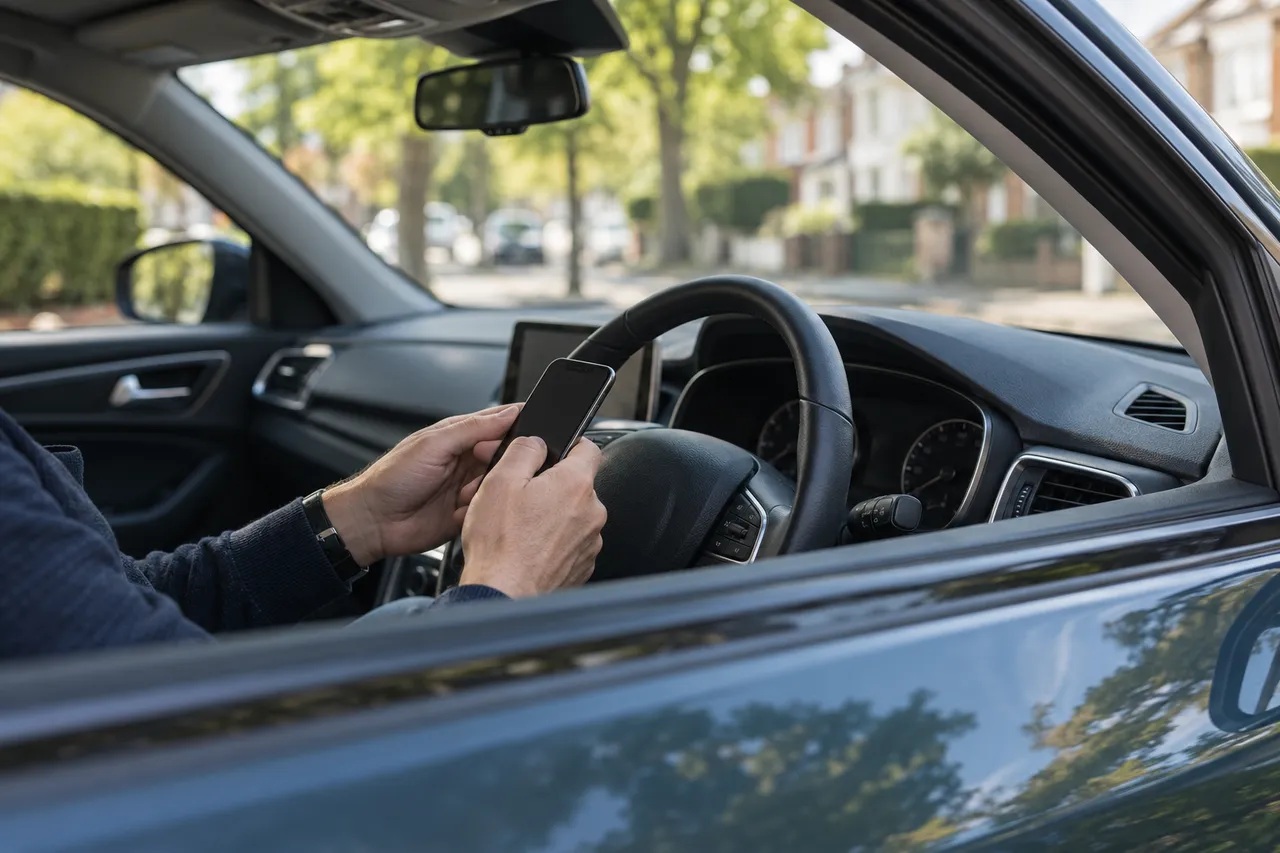
For a tram or bus injury, record the particular stage of travel
A vehicle journey can involve waiting, boarding, standing, moving through the vehicle and leaving. State the stage at which the injury occurred and what movement or feature you encountered. A description such as a tram accident may otherwise leave unanswered whether the concern involves driving, doors, a platform, another passenger or an unrelated surface.
Keep the route, direction, stop, approximate time and vehicle identifier where available. A ticket bought earlier may support your journey without identifying the exact vehicle. Compare it with photographs, app history or messages, retaining the original records. If the time is estimated, explain the basis rather than presenting an uncertain recollection as a precise timestamp.
If you were standing or carrying luggage, describe your position and available support accurately. Those facts may affect the assessment and should not be omitted because you fear criticism. A solicitor needs to consider foreseeable movement, the alleged event and any argument about your conduct using the full account, not a version simplified to avoid difficult details.
Report the incident to the operator through its appropriate channel and retain the reference. A service complaint may produce useful information but does not guarantee acceptance of liability or preserve every recording automatically. Identify any request for footage separately and explain whether staff or emergency services attended. Keep their roles distinct from witnesses who saw the mechanism.
Additional travel after injury should be recorded by purpose and cost. If a companion collected you or a different return journey became necessary, preserve receipts and explain why. Not every change to a holiday itinerary is recoverable. The assessment should connect the expense to the injury and distinguish it from a choice unrelated to medical or practical need.
Need help assessing the next step?
Call +44 7344 141 814Join Blackpool treatment to the care received after returning home
A visitor may receive initial treatment locally and follow-up elsewhere. Keep the names of the services, dates, discharge information and referral advice so that the sequence can be reconstructed. The first hospital record may describe an acute injury while later notes address persistent symptoms. Neither should be assumed to contain the complete course of recovery.
Blackpool Teaching Hospitals publishes an application route for access to health records and other personal information, with identification requirements. Use the provider's current guidance when seeking its records. Your home GP, another hospital or a private therapist may hold separate material. The place where you live does not automatically identify the controller of every treatment record.
Explain when symptoms changed during or after the journey home. Travel, another accident or a pre-existing condition may be relevant to the medical assessment. Do not omit those facts or attribute every later difficulty to the Blackpool event without evidence. A clinician's opinion should be based on the full history, including genuine improvement and unrelated problems.
If a referral did not transfer smoothly, preserve appointment letters, calls and messages showing what happened. A gap in treatment may reflect access or administration rather than complete recovery, but that explanation needs facts. Equally, a missed appointment should not be concealed. An adviser can consider its significance and whether further evidence is necessary.
Obtaining care is separate from proving a claim. Follow appropriate medical advice and raise concerns through healthcare channels. Legal representatives do not diagnose injuries or promise a particular treatment outcome. The relevant task is to organise reliable clinical evidence and relate it to the accident, prognosis and practical restrictions when assessing the claim.
Separate the injured person’s account from the travelling party’s concerns
A family trip can generate several accounts and different financial consequences. Identify who was injured, who saw the event and who paid each expense. A parent or companion may have valuable evidence without being the person entitled to pursue every loss. Keep receipts and explanations organised so the same cost is not attributed to several claims without analysis.
If a child is injured, preserve their spontaneous account appropriately without repeatedly questioning them to obtain a preferred version. Record who was present and what was actually said. A child's age and ability affect how evidence and instructions are handled. A solicitor will need to consider the proper adult role and any potential conflict within the travelling party.
For an adult who cannot provide instructions, explain the circumstances and any existing authority rather than assuming a relative can simply sign. Assistance with booking or treatment does not automatically confer legal decision-making power. The practice must consider the appropriate arrangements before accepting instructions or obtaining confidential records on someone else's behalf.
Companions may also incur expenses while helping after injury. Record what assistance was needed, who supplied it and the cost or time involved. The assessment should distinguish ordinary holiday companionship from additional support caused by the accident. A general statement that everyone lost their holiday is not a substitute for the evidence required for particular losses.
If more than one traveller seeks advice, disclose the relationships and any differing accounts or interests. The firm needs to decide whom it can represent and on what basis. One person's desire for a quick refund may not align with another person's need for medical investigation. Clear client identity protects the reliability and confidentiality of the instruction.
A Blackpool hospitality worker needs the shift evidence, not a guest narrative
A person injured while working in accommodation or hospitality should identify their role, employer or agency and the task underway. The fact that the location serves visitors does not make the incident a guest claim. Relevant evidence may concern equipment, staffing, training, lifting, cleaning or kitchen work, depending on the actual mechanism.
Keep the rota, assignment messages and instructions for the shift. If duties changed because of absence or a busy period, record who directed the change and what support was available. Avoid relying only on a general statement that the workplace was hectic. The assessment needs the link between the alleged unsafe arrangement and the injury.
For seasonal or irregular employment, preserve the agreed duration, expected hours and previous pattern of work. A hoped-for extension should be distinguished from a confirmed offer. Earnings evidence should explain what work was likely without the injury, including quieter periods and other commitments. Selecting only the busiest week can produce an unreliable forecast.
A worker who also lives at the premises should clarify whether the incident occurred during duties, private use of accommodation or another activity. The same staircase or bathroom can involve different relationships depending on the circumstances. Provide the employment and accommodation arrangements without deciding that one label must govern every issue.
If the job ends or the business closes, retain lawful copies of personal records and relevant correspondence. Do not remove confidential material belonging to others. An adviser can consider tracing the appropriate entity or insurer and whether further investigation is justified. A short employment period or departure from the area does not itself resolve the merits of the claim.

Assess the consequences after the holiday has ended
The accident's practical effect may become clearer only after returning to normal work and household responsibilities. Record what you could do before the injury and what changed, using concrete activities rather than a broad statement that life was disrupted. A person may manage a short outing during the stay yet struggle with a full working day afterwards.
Keep wage records and absence explanations alongside the medical chronology. Distinguish injury-related absence from leave already booked for the trip. If sick leave replaced holiday or pay was adjusted later, preserve the employer's explanation. A claim should not count both the same wages and an overlapping payment without considering how the figures relate.
Additional help at home should be described by task and duration. Note whether assistance was new, increased or already part of ordinary arrangements. The person helping need not have charged for the evidence to matter, but a supported assessment requires more than a retrospective estimate that somebody did everything for several weeks.
Expenses should show the injury connection. A replacement journey, prescription charge or damaged personal item may raise different proof and recoverability questions. Retain receipts, refunds and insurance payments. Do not assume that every cost following the accident is caused by it, and avoid claiming an item twice through different processes without advice.
Longer-term needs depend on prognosis and the actual effect on life. Before committing to substantial treatment or equipment in expectation of reimbursement, discuss the evidence and alternatives with appropriate professionals. Spending money does not guarantee recovery of the cost. A proportionate claim plan should reflect clinical need, reasonableness and the legal issues still unresolved.
Decide whether a return visit would answer a useful evidence question
A visitor may assume they must travel back to Blackpool to make a claim. The useful question is what a return visit would establish. If the scene has changed, a journey may add little without historical records. Existing photographs, plans, witness accounts or a properly arranged inspection may be more suitable, depending on the disputed issue.
Do not enter premises without permission or recreate the accident to demonstrate what happened. A safe, lawful inspection may require agreement and professional input. An adviser can consider whether it is justified and what question it should answer. Repeating a dangerous movement can cause further injury while producing evidence that does not reflect the original conditions.
If a companion can take later photographs lawfully, record the date, photographer and observed changes. Do not present those images as contemporaneous. A current picture may identify the entrance or layout while leaving the original hazard unresolved. Its value should be explained accurately rather than rejected or overstated simply because it was taken later.
Witnesses who were also visitors may be difficult to trace after departure. Preserve contact details with their agreement and tell the adviser if they are likely to move or become unavailable. Avoid public accusations or publishing personal details in an attempt to find support. Any evidence enquiry should remain proportionate and respect the people involved.
The investigation can be staged around the largest uncertainty. Confirming the operator may come before seeking maintenance records; establishing the mechanism may come before extensive valuation work. Private fees should support an agreed purpose rather than an open-ended search. Ask what the proposed stage can reasonably answer and what would remain unresolved afterwards.
Agree a Manchester-based instruction for the Blackpool matter
Alexander James Solicitors can consider an enquiry concerning a Blackpool accident without representing itself as a local branch. Explain whether you live locally, have returned elsewhere or need assistance with communication or mobility. Arrangements must be discussed with the practice; this page does not promise a particular appointment method or response time.
Provide the accident date, address, short mechanism, injury and current correspondence. Include any offer, release, existing solicitor or approaching deadline. Those details may affect whether the firm can assist and what work is urgent. A general message asking whether compensation is possible may leave critical timing or representation issues undisclosed.
The firm must expressly accept the instruction and agree private fees, terms and scope before acting. Sending a booking confirmation or enquiry does not automatically authorise negotiations or make the practice responsible for proceedings. Clarify whether the proposed work is an initial evidence review, advice on responsibility, an offer assessment or wider representation.
Deadlines require individual consideration. Returning home, complaining to a hotel or awaiting a records request does not automatically extend the time available for legal action. Tell the firm about the relevant dates promptly and obtain clear advice about responsibility for any protective step. Do not rely on an unaccepted enquiry as evidence that a deadline is being managed.
A useful decision should explain the strengths, weaknesses, likely evidence needs and limits of further work. No compensation figure, guaranteed result or funding arrangement is advertised here. The purpose of an agreed review is to help you decide what justified next step to take with a clear understanding of the service and its cost basis.
Questions about your Blackpool enquiry
Can I pursue a Blackpool injury enquiry after returning home?
Yes, an enquiry can be considered after departure, subject to the firm accepting the work. Preserve the address, room or vehicle details, reports and photographs before they become difficult to obtain. Explain where you now live and where treatment continued. Returning home does not remove the need for prompt evidence preservation or individual advice about any applicable deadline.
Is the booking website automatically responsible for my hotel injury?
No conclusion should be drawn from the platform name alone. Keep the confirmation, terms, invoice and communications identifying the accommodation operator and any agent. The relevant question may concern who controlled the premises or a particular service. An adviser can assess the contractual and practical arrangements before deciding whether the platform, operator or another party should be approached.
What should I record if the hotel changes my room afterwards?
Keep both room numbers and the time of the move, identifying which room contained the relevant feature. Preserve the original booking and any message explaining the change. Photographs should be labelled by room and date. A helpful relocation may address immediate comfort without establishing liability, and later evidence of the new room should not be confused with the accident location.
Does a refund mean the business accepted fault?
A refund can be a customer-service response, a contractual remedy or part of a proposed settlement, depending on its terms. Preserve the exact wording and do not assume it admits negligence. If acceptance involves a release or wider agreement, seek advice before signing. The injury consequences and any money already returned must be considered together without double counting.
Can I keep the broken chair from my accommodation as evidence?
Do not remove property that belongs to someone else without permission. Photograph it safely, identify it and notify the operator, keeping a record of any request that it be preserved. A solicitor can consider whether inspection or formal preservation steps are appropriate. Dismantling or taking the item may create problems and can change the condition that needs to be examined.
What if water on the bathroom floor came from my own shower?
Explain the use of the facility and what you observed about the water, drainage, surface and layout. That fact may affect the assessment but should not be concealed. The question is whether a relevant failure caused injury in the actual circumstances, not simply whether the floor was wet. Photographs and evidence about the mechanism can help identify the issue.
Should I photograph every staircase in the building?
Focus on the actual route and accident point, with enough wider context to identify them. Unrelated photographs can make the file harder to understand. Record the floor, direction and nearby fixed features, and distinguish later images from those taken immediately. Do not enter restricted areas or put yourself at risk to obtain a more dramatic view of the scene.
Does a Blackpool Council camera guarantee footage of my fall?
No. The council explains that camera direction and monitoring arrangements affect what is captured. Identify the relevant location and time and use the appropriate access route promptly. A camera may face elsewhere or belong to another controller. Preserve other evidence while enquiries are made, since neither visible equipment nor a submitted request guarantees that useful images exist.
How should I identify a Blackpool tram or bus journey?
Keep the route, direction, stop, time and vehicle details where available, together with tickets or app records. Explain whether injury occurred while boarding, travelling or leaving. The payment time may differ from the accident time, so state any uncertainty. Accurate journey information can help the operator locate records without assuming that one ticket identifies a particular vehicle automatically.
Can transport footage be requested after several weeks?
A request may still be worth considering, but do not assume the recording remains available. Blackpool Transport publishes a limited routine overwrite period that can be shorter because of system limits. Give precise details promptly and ask about relevant preservation. Material already retained for an incident may have a different position, which the controller must confirm in the particular case.
Who holds my records if I was treated in Blackpool but live elsewhere?
The treating provider normally holds records of its own episode, while your home GP or later hospital may hold separate information. Blackpool Teaching Hospitals publishes a health-record access route. Keep the names and dates of all services involved so requests can be directed appropriately. An adviser can identify the relevant material without assuming one record contains the complete recovery history.
What if my symptoms became more serious during the journey home?
Record when the change occurred, what symptoms were present earlier and whether any other event happened. Obtain appropriate medical advice and retain treatment information. Do not retrospectively describe later symptoms as immediate if that is inaccurate. Medical evidence should assess the connection with the original accident using the full chronology, including travel, prior conditions and any intervening injury.
Can a companion make the claim for me because they booked the trip?
Booking the trip does not automatically authorise a companion to give legal instructions for an injured adult. Explain any assistance or authority involved, and let the firm establish the proper client and instruction arrangements. The companion may have useful evidence or receipts. Their own booking complaint and the injured person’s claim may involve different rights and interests.
What is different when a child was injured during the stay?
The firm must consider who can give instructions, the child’s evidence and any applicable procedural protections. Preserve the child’s account without repeatedly coaching or questioning them towards a preferred explanation. Keep treatment and expense records and disclose any differing interests within the family. A parent’s ability to assist does not remove the need to assess the proper arrangements for the claim.
Can I claim the entire cost of a spoiled Blackpool break?
The legal basis and evidence for each loss need assessment; disappointment alone does not mean the whole booking price belongs in an injury claim. Keep receipts, refunds and the terms of the purchase. Explain what was unusable and why. An adviser can distinguish contractual remedies, injury-related expenses and other consequences while avoiding overlapping recovery for the same payment.
I was working at the hotel rather than staying as a guest. Does that change matters?
It can change the relevant relationship and evidence. Identify the employer or agency, shift, task and instructions, along with the mechanism of injury. Training, equipment or staffing records may matter more than booking terms. If you also lived at the premises, explain whether the activity was work or private use so that the appropriate issues can be assessed accurately.
How can seasonal earnings be assessed after an injury?
Provide the expected assignment length, agreed hours, confirmed shifts and previous working pattern, including quieter periods. Distinguish an assured extension from a hope of further work. Medical restrictions and actual payments also matter. A supported forecast should reflect likely earnings without the injury rather than selecting only the busiest week or assuming an entire future season was guaranteed.
Do I need to return to Blackpool to collect more evidence?
Only if a safe and lawful visit would answer a useful question; it is not an automatic requirement. Existing images, operator records or an arranged inspection may be more suitable. Explain what is missing before incurring travel costs. Later photographs must be dated accurately, and you should never recreate the accident or enter private areas without permission to strengthen the file.
What if the accommodation business has changed its name?
Preserve documents from the accident period, including invoices, booking messages and payment details. A current trading name may not identify the entity that operated the premises at the relevant time. An adviser can consider the change and any insurance enquiries. Do not assume closure or rebranding proves that a claim is impossible or that the present operator must be liable.
How are private fees agreed for a Blackpool enquiry?
The Manchester-based practice must decide whether it can assist and expressly accept a defined scope before acting. Explain the question you need answered and supply relevant documents, including offers and urgent dates. The written terms should clarify fees and what work is included. An initial review should not be assumed to cover all negotiations, investigations or court proceedings automatically.
Official sources used for this page
Sources checked 3 October 2026. General information does not determine the route or deadline in an individual case.