
Discuss your claim · Leeds
Updated
Personal Injury Solicitors for Leeds Accidents
An injury while riding, delivering an order or travelling through Leeds can interrupt several parts of life at once. The claim needs to distinguish the accident itself from the working arrangement, vehicle damage and loss of income. Ask Alexander James Solicitors to assess the available evidence and the proposed next step, with particular attention to records that may disappear while treatment and practical arrangements take priority.
Alexander James Solicitors considers Leeds enquiries from its Manchester practice. There is no Leeds branch represented by this page. Private fees, scope and conflicts must be confirmed before instructions are accepted. No compensation amount, outcome, free advice or conditional-fee arrangement is guaranteed.

Find the issue you need assessed
Identify the activity that led to injury
A person carrying a delivery bag might be riding on a road, walking a cycle across an entrance, waiting inside a restaurant or using a shared stairwell. Those activities raise different questions about responsibility. Start your Leeds enquiry with what you were doing in the seconds before injury, where you were positioned and what changed. Explain whether another vehicle, a surface defect, a door, equipment or somebody's instruction was involved. Your work status is relevant background, but it does not replace the accident mechanism.
Record whether you were accepting a job, travelling to collect, waiting for an order, completing delivery or returning after a task. Platform records may help establish timing while leaving the actual movement at the collision uncertain. Keep the original record and describe what it proves, rather than treating every line on a journey map as a precise reconstruction. If the phone was mounted, in a bag or not being used at the time, say so accurately.
The first decision is which facts require preservation and which organisations may hold them. A customer, restaurant, platform, vehicle insurer and highway authority can possess different pieces of the history without all becoming defendants. Give names and roles so the solicitor can assess appropriate enquiries. Avoid sending allegations to every business connected with the journey before the relevant duty and evidence have been considered.
Reconstruct the collision from positions and movements
For a collision in Leeds, identify the road, junction or access point, direction of travel, lane or path used and point of contact. Explain the sequence in short stages: approach, first awareness, attempted response and impact. If you did not see the other road user before contact, state that rather than assuming their route from where they stopped. Distinguish any diagram drawn from memory from a map or photograph that records the physical layout.
Record the vehicle registration and description where known, driver details supplied, witness contacts and any police reference. Preserve the spelling and numbers received without filling gaps from guesswork. If you took photographs, retain original files showing context as well as damage. A close image of a broken light may support a damage issue but not establish priority at a junction. A wider view can show signs and road markings while still needing an explanation of where each person travelled.
Do not let an early argument about blame displace your factual record. Words spoken immediately after a frightening event may be incomplete, apologetic or disputed. Record them honestly and identify who heard them. Liability can require a broader assessment of observations, recordings and physical evidence. A measured account that acknowledges what remains unknown is more useful than certainty that later evidence cannot support.
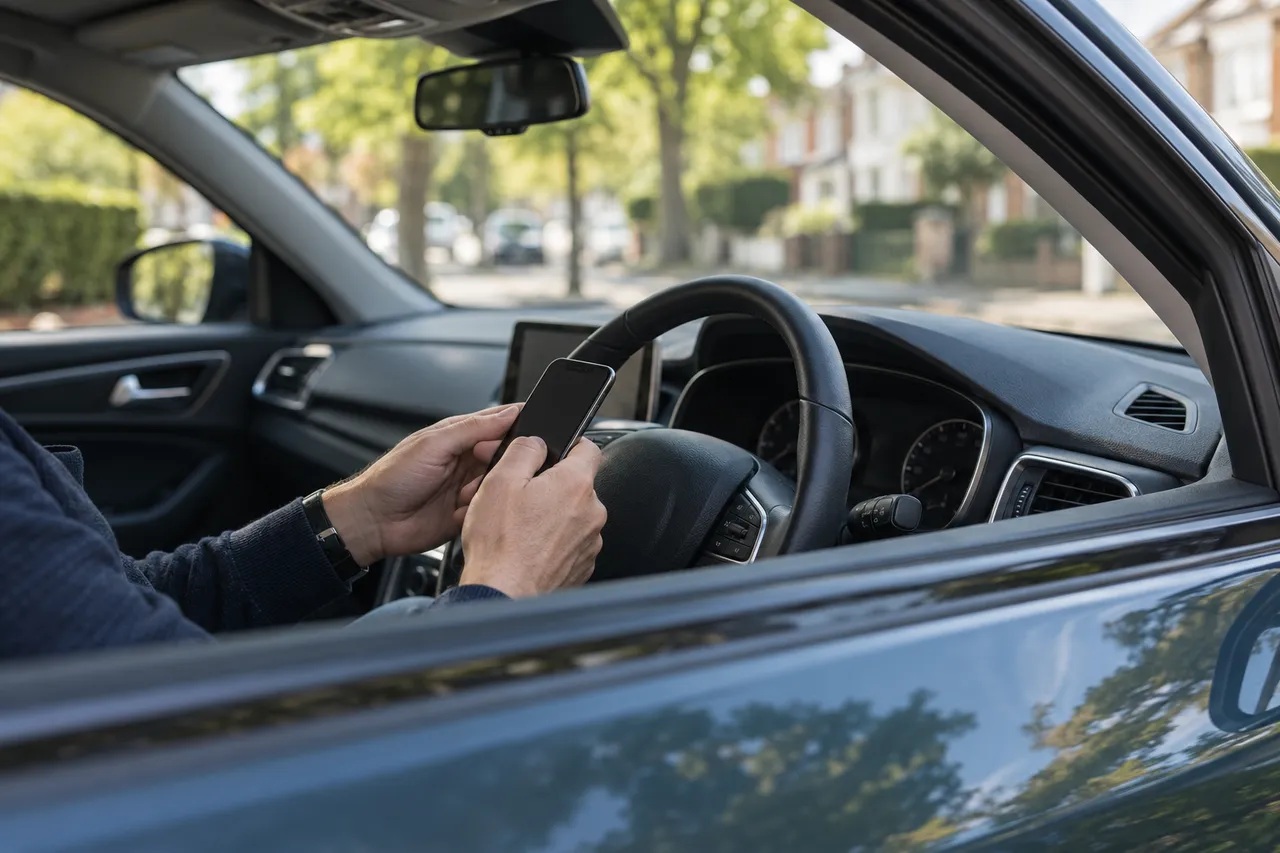
Keep camera originals and establish their time base
Helmet, handlebar and vehicle cameras may capture the approach to an incident as well as the impact. Preserve the complete original sequence before normal recording cycles overwrite it. Retain the surrounding footage that shows signals, traffic and positioning, not only a short clip selected for an insurer. If the camera clock was wrong, keep the original timestamp and explain the discrepancy using other records. Editing the timestamp itself can make later verification harder.
Leeds City Council publishes a process for requesting CCTV footage. That process is relevant to material held by the council; it is not a citywide repository for every business, residence or transport operator. Identify possible cameras near the incident and the organisation apparently responsible, while acknowledging that their field of view is unknown. A camera visible above a junction may serve a different purpose or may not retain the recording you need.
When making a request, supply the approximate time range, precise location and identifying description needed to find you. Retain both the preservation request and any subject-access response. Do not promise yourself that footage has been secured merely because a form was submitted. Tell the solicitor whether the controller has confirmed existence, preservation, disclosure or only receipt. Each of those responses leaves a different evidential position.
Use the Leeds claim route without confusing it with repair reporting
Leeds City Council's public-liability page provides a general claim form and a highways claim form. It also separately directs people to report a dangerous road, pavement or verge defect. The page expressly states that compensation is not automatic. For an enquiry about a surface injury, preserve the form submitted and any correspondence, alongside the reference for reporting the hazard. An insurance claim and a request to repair the surface should not become one unidentified entry in your chronology.
Describe the feature you believe caused the incident and why you connect it with the loss of balance or control. Was a wheel deflected, a foot caught, or a surface unexpectedly slippery? A nearby pothole shown after a fall does not on its own establish the cause. Explain the route you took and identify the exact feature within the larger scene. If safe photographs include a scale, record how and when they were taken without moving or altering the defect.
If responsibility is disputed, retain the explanation. The feature could lie on a private access, belong to a utility arrangement or require investigation of highway status. Do not equate a council boundary with control of every surface inside it. Appropriate investigation may need maintenance and inspection evidence that you do not possess at the first enquiry; absence of those records in your hands is not a reason to invent their contents.
A bicycle fall needs evidence of the riding surface and the cycle
Where a rider says a road defect caused a crash, preserve information about both the surface and the bicycle. Note tyre condition, equipment changes, any prior mechanical issue and the damage sustained. Do not discard a broken component immediately because replacing it seems a separate practical matter. If repairs are necessary to restore transport or work, photograph the condition beforehand and retain the repairer's findings and invoice. Ask about appropriate preservation where a component could be important to the disputed mechanism.
Explain weather, visibility and the route as remembered without assuming that conditions establish negligence. Wetness may affect grip but does not show why a particular surface was unsafe or who was responsible. Likewise, a gradient or bend is context rather than an admission that the rider was at fault. The question is how the accident occurred in its actual setting and what reasonable precautions or maintenance arrangements require examination.
If the bicycle was electrically assisted, hired or owned by another person, give its identifying details and relevant agreement. Do not assume all vehicles called e-bikes have identical legal or insurance status. The solicitor may need further information before identifying the claim route. Preserve the specification or hire record you actually have; an online photograph of a similar model may not establish the machine used that day.
Explain kerbside conflicts without reducing them to one rule
A rider can be injured by an opening door, a vehicle leaving a parking space or a pedestrian emerging between vehicles. The record should establish positioning, sight lines and the order of movements. State which part of the cycle or body made contact and whether any avoiding action began before impact. If you remember an obstruction to visibility, describe it specifically rather than using a broad label such as busy road that explains little about the particular event.
The account should include your own conduct, including speed as an honest estimate, lights where relevant and anything affecting attention. A disagreement about one aspect does not mean every other part of the claim is resolved. Possible shared responsibility requires evidence-based consideration, and no fixed deduction should be assumed from a detail supplied in an initial message. Keep a full camera file even if one part seems unhelpful; a selective edit can omit context needed for a fair assessment.
Passengers and delivery workers should identify whether the door belonged to a privately used vehicle, taxi or other business vehicle where known. Give actual information rather than inferring ownership from appearance. Insurer investigation may trace the relevant parties, but the first task is to preserve the registration and incident evidence accurately enough for that work to be possible.
When a bus is involved, identify the vehicle and record-holder
A collision involving a bus, or an injury suffered while travelling on one, requires more detail than a route number. Record the operator name if known, destination, direction, time and vehicle identifier. If you were outside the bus, describe its movement relative to your position. If inside, explain whether you were seated, standing, boarding or approaching the exit. An allegation of sudden braking needs the surrounding sequence; sharp movement alone does not establish negligent driving.
WY Metro's privacy information identifies the West Yorkshire Combined Authority as the responsible body for its named brands and discusses CCTV and body-worn video. This is useful when identifying a possible record-holder, but recordings from a bus and a station may be controlled differently. Retain ticket or payment evidence and any complaint acknowledgement so the relevant service can be located. Do not assume a network name on passenger information identifies the legal defendant.
If a complaint is redirected to an operator, retain the redirection and any new reference. Make the bodily injury explicit rather than allowing correspondence to focus only on a delayed service or damaged item. A transport complaint can obtain information or an explanation without issuing a legal claim or preserving a deadline. Ask separately what evidence and procedural steps require attention.
Collection premises: separate the counter from the shared access
A courier or customer injured while collecting food or goods may encounter a spill, damaged step, obstructed corridor or delivery equipment. Specify whether the accident occurred in the customer area, staff-only area, shared building entrance or outside. Explain why you were using that route and whether somebody directed you there. The work allocation record can explain your presence while the premises arrangements determine which responsibilities need to be investigated.
Keep the order reference securely and identify the business that supplied the goods. Avoid distributing unrelated customer names, addresses or contact information in broad correspondence. Relevant documents can be supplied through the channel agreed with the firm, retaining originals where possible. A short initial message can describe the evidence without exposing a complete delivery history. Ask how necessary customer information should be handled if it is inseparable from a timing or location record.
If staff completed a report, record who took your account and whether you saw its contents. A later denial that an accident was reported may be addressed by an acknowledgement, message or witness rather than an argument about memory alone. Where the report misdescribes your role, preserve a dated correction. Being a visitor for work purposes does not mean you must accept an inaccurate account of where you were allowed to go.
Establish the working arrangement before assuming employer liability
Delivery platforms, agencies, restaurants and individual businesses can arrange work in different ways. Provide the agreement relevant to your work, payment statements and instructions for the particular task. Explain who controlled hours, route choices, equipment and the method of collection or delivery, so far as you know. The name worker or self-employed on an app is information to consider, not a complete analysis of every legal duty or the cause of a road collision.
A claim against a negligent road user and a dispute about employment rights may require separate advice. Make clear which outcome you seek: compensation for bodily injury, correction of a platform record, unpaid earnings or something else. The firm must confirm the work it can accept. Do not assume that an injury retainer includes an employment appeal, account reinstatement or a challenge to a platform's commercial decision unless that scope is expressly agreed.
If unsafe equipment or a prescribed working method is alleged, describe the specific arrangement and its connection to the accident. General dissatisfaction with pay or pressure is not enough to identify the legal mechanism. Retain communications you lawfully possess, including requests for assistance and responses. Avoid accessing another person's account or taking private business records without authority in an attempt to strengthen the claim.

Need help assessing the next step?
Call +44 7344 141 814Show variable earnings through a fair comparison
A Leeds rider's receipts may vary with hours worked, season, available jobs and the number of platforms used. Build the comparison from a representative period, explaining why it reflects the work likely to have continued. Provide statements and relevant expenses rather than selecting only the highest-earning days. If your working pattern changed shortly before injury, include evidence of the new pattern or planned commitment. A prediction needs a factual basis, especially where there is little trading history.
Separate gross receipts from the money actually retained after costs. Expenses that continued during absence may differ from costs saved because fewer journeys were made. Repairs to a cycle or replacement equipment belong in their own record rather than being hidden inside a weekly earnings estimate. If someone else completed jobs for you, disclose their payment and the resulting income. The assessment should reflect what happened financially, including arrangements that reduced loss.
Keep records of lighter work, attempted returns and periods when symptoms prevented activity. A short return that proved unsustainable should be described with dates and reasons, not removed from the history. If reduced demand or a platform suspension also affected income, identify that separately. The legal question is the loss attributable to injury, not every financial difficulty that arose during the same period.
A useful earnings schedule also identifies the source of each amount. Mark whether a figure comes from a platform statement, bank entry, invoice or your own estimate, and reconcile transfers that appear in more than one place. If a platform pays several days together, explain the period covered rather than treating the payment date as the working date. Keep refunds and adjustments visible. This makes it easier to distinguish a genuine interruption in work from a delay in receiving money already earned before the accident.
Describe treatment and riding capacity in practical terms
For a rider, a medical problem may affect balance, grip, shoulder movement, concentration or tolerance of vibration before it prevents every other activity. Describe the functions affected and the tasks that remain possible. Record treatment dates, advice received and any planned review. Do not translate a clinician's cautious note into a permanent restriction or assume that a brief initial examination establishes the final recovery period. Medical evidence may develop as the injury is investigated.
An injury diary can record distance tolerated, difficulty fastening clothing, interrupted sleep or help needed with meals. Include better days and improvements. If cycling was also a hobby before the accident, distinguish leisure effects from the income consequences of being unable to deliver. Both may help explain the impact while requiring different evidence. A single statement that you cannot ride should be clarified if you can make short gentle trips but cannot sustain working hours.
Explain previous injuries and ongoing conditions honestly. Earlier wrist pain, for example, may require examination of the baseline and the change after the accident. It does not automatically eliminate a claim, nor should every continuing symptom be attributed to the incident without assessment. Follow clinical advice on treatment and activity; do not resume unsafe work merely to produce evidence of an unsuccessful return.
Plan rehabilitation costs without assuming advance approval
Treatment, travel and temporary equipment can create pressure before liability is resolved. Keep a list of the immediate practical needs and discuss whether any proposed legal step could address them. An insurer may offer an assessment or support, but the conditions and intended use of resulting information should be understood. Ask whether a payment is an advance, a reimbursement of a particular expense or part of a proposed final settlement. The wording matters more than the reassuring description on a telephone call.
Before committing to substantial private treatment in expectation of recovery through a claim, explain the recommendation, cost and available alternatives to the solicitor. That does not mean postponing necessary medical care; it means separating the clinical decision from an assumption about who will ultimately pay. Keep receipts and referrals. A treatment invoice can prove expenditure while leaving questions about reasonableness, causation and recoverability for assessment.
If family or friends assist, record actual tasks and additional time rather than creating an artificial commercial arrangement. Help transporting a cycle, shopping or attending appointments may change over the recovery period. Record when independence returns for particular activities. Accurate evidence of reduced support needs is as important as the original difficulty when the claim is evaluated or an offer is considered.
Choose the injury procedure for the person and incident
Official Injury Claim provides an online route for eligible road-traffic injury claims, but it should not be selected merely because an injury happened on a road or seems modest. Explain whether you were a cyclist, motorcyclist, pedestrian, driver or passenger and give the vehicle details. Eligibility and available representation arrangements need checking against the actual incident. A recommendation from another claimant whose accident was different may not identify the appropriate route for you.
An unidentified driver, an uninsured vehicle or a foreign vehicle may introduce additional questions. Keep police and insurer correspondence and identify exactly what is known. A registration that has not yet been checked is different from a confirmed uninsured driver; a driver who denies involvement is different from an untraced one. The relevant scheme or claim pathway must be identified on evidence, with its requirements and deadlines considered before an application is prepared.
Tell the firm about any portal account already opened, representative authorised or settlement request submitted. Preserve login access securely without sending passwords through a general enquiry. The adviser needs the procedural history and documents, not your secret credentials. Overlapping instructions can cause confusion, so clarify the role of any insurer, claims company or previous solicitor before a new scope is agreed.
Resolve inconsistent records openly
A platform timestamp, emergency note and witness memory may give different approximate times. Put them side by side and explain what each record measures. An order acceptance is not necessarily departure; a treatment note may record arrival rather than impact. The aim is to reconcile the chronology using evidence, not to force every source into a preferred minute. If an earlier account contains an error, raise it promptly and explain why you now believe it is wrong.
Witnesses should provide their own recollection. Ask for contact details and a brief indication of what they saw, without suggesting a shared version of disputed movements. Someone who arrived afterwards may support the immediate condition or report but cannot independently establish the collision they did not witness. Identifying that limit improves the usefulness of their evidence and avoids promising more corroboration than exists.
Retain social-media material and messages relevant to the injury rather than deleting inconvenient items. A photograph can show one activity without explaining pain afterwards, duration or assistance, so provide the context honestly. Equally, public descriptions of a claim should not overstate what is medically or legally established. Discuss concerns with the solicitor before trying to manage the evidential record through selective publication or removal.
Assess an offer when loss of income creates pressure
A rider without regular sick pay may feel a strong need to accept the first available payment. Before deciding, establish what the offer settles and what evidence remains outstanding. Ask whether injury prognosis, equipment loss, earnings and other expenses have all been addressed. A figure that solves an immediate bill may still be a final compromise of a wider claim. The assessment should make the trade-off understandable without guaranteeing that waiting will produce a higher outcome.
A proposal may come with a response deadline or procedural consequences. Send the complete correspondence promptly, including attachments and delivery details. Do not extract only the amount and ask whether it is good. The source of the offer, its terms, admissions and cost implications may affect advice. If another representative recommends acceptance, disclose that advice and their role so the firm can avoid overlapping work or misunderstanding the status of instructions.
Where future income remains uncertain, explain the uncertainty instead of presenting an ambitious prediction as settled fact. The solicitor may need further records or medical evidence before advising. Privately funded investigation also has a cost that should be weighed against the issue it could resolve. A proportionate decision considers both the claim's practical importance and the expense and uncertainty of the next stage.
Keep limitation separate from app reports and complaints
An app incident report, council insurance form or police report does not by itself establish that court proceedings have started. Provide the accident date, any later discovery relevant to a developing condition and dates stated in formal correspondence. Tell the firm immediately if a deadline may be close. The appropriate limitation analysis depends on the claim and circumstances, so avoid treating a general online description as a personal calculation of your final filing date.
Where the injured person is under eighteen, may lack capacity to conduct proceedings or is acting through another person, flag that at the outset. Those facts can affect representation and procedure. Do not assume a parent, partner or friend can automatically agree a settlement or access all confidential papers. If you are simply helping organise the records, say so and explain how the injured person can provide instructions or what difficulty requires consideration.
Ask for confirmation of responsibility for each urgent action. An enquiry response or booking confirms only what it actually says. If the practice agrees to review documents but not issue proceedings, the distinction must remain clear. Keep existing correspondence arrangements active and report new letters while the enquiry is under assessment, rather than assuming every organisation now knows that you have contacted a solicitor.
Make the first Leeds enquiry focused enough to assess
Send an outline of the accident, injury, location and main outstanding question. Mention whether you were delivering, commuting or travelling privately, and identify other parties and representatives. State what evidence is already available and what may be at risk of loss. The initial contact should enable scope and conflict checks; it need not contain every customer address, medical detail or platform transaction. The firm can confirm an appropriate method for the documents it needs.
Ask for a private-fee proposal tied to defined work. An initial evidence assessment, a letter to an insurer and full conduct of litigation involve different commitments. Discuss any legal-expenses cover or other existing support, but do not assume it applies until the terms have been checked. This page offers no fixed price, free consultation or guaranteed funding model. Acceptance of work depends on the actual matter and agreed terms.
At the end of an assessment, you should understand the factual strengths, unresolved issues, relevant dates and proposed next action. Ask who will request missing records and whether further expenditure needs approval. If the firm cannot accept the instruction, clarify that promptly. A clear decision lets you choose what to do next; an unanswered assumption that the claim is underway can waste time while the most useful evidence becomes harder to obtain.
Questions about your Leeds enquiry
Can a Leeds delivery rider enquire without knowing their employment status?
Yes. Supply the agreement you have and explain who allocated, paid for and directed the work. The accident mechanism should still be described independently. A vehicle collision may involve a claim against another road user regardless of a separate disagreement about your working arrangement. The firm can identify what it needs to assess the proposed injury work and whether any employment or platform issue requires another scope.
Does an accepted delivery prove I was following the recorded route?
An accepted job can establish an assignment or time marker, but it may not show each movement that followed. Preserve the full record and explain whether you changed direction, stopped, walked the cycle or waited. Camera footage, witnesses and physical layout may be needed to reconstruct the accident. Do not describe an app map as a complete recording of events unless you know what the system actually measured.
What should I save before repairing my bicycle?
Keep original photographs, the damaged parts if lawfully and safely retained, the repair quotation and any findings about the condition. Explain which damage you believe occurred in the accident and disclose relevant earlier faults. If a component may be central to the mechanism, ask about proper preservation before disposal. Necessary repairs and evidence preservation can be considered together without leaving you to assume that an invoice alone will resolve every question.
Will Leeds Council pay because the pothole has now been filled?
A later repair does not automatically decide liability for the earlier accident. The council provides claim and hazard-reporting routes but states that compensation is not automatic. Preserve your earlier photographs, reports and the date of the change. The assessment may still need to consider whether the feature caused the fall, its condition at the time, relevant maintenance arrangements and who was legally responsible for that part of the surface.
How do I distinguish a council camera from a shop camera?
Use visible signs, the camera location and the organisation responsible for the building as initial leads, while avoiding a definite claim about ownership without confirmation. Leeds publishes its own CCTV request process, which does not cover every private system. Give each potential holder a clear incident description and retain the response. The solicitor can then see which recording has been located, which is unavailable and which remains uncertain.
Should I send my entire customer history to prove the working day?
Usually the initial enquiry can identify the relevant task and say what records exist without exposing unrelated customers. Retain originals and ask how necessary documents should be supplied securely. If the relevant screenshot also contains personal information, explain that before distributing it. The aim is to establish timing, location or earnings proportionately, not to circulate addresses and contact details that have no bearing on the injury assessment.
Can I recover income from more than one delivery platform?
Identify every source affected and provide the records needed to show your normal pattern. Avoid counting hours or jobs twice where you used several apps simultaneously. Explain costs saved and any earnings that continued. The amount recoverable depends on the loss supported by the evidence and its connection with injury; having accounts with several platforms does not itself establish that all possible work would have been completed.
What if I returned to delivery work for only one unsuccessful shift?
Record the date, work attempted, symptoms experienced and reason you stopped. Keep the payment record and relevant clinical advice. A brief attempt does not necessarily mean full recovery, but it should not be omitted from the earnings or medical history. The actual experience may help explain the limits of capacity more accurately than a statement that you did no work throughout the whole period following the accident.
Does a motor insurer arranging repairs also deal with my injury?
Not necessarily. Ask what the insurer or representative has agreed to handle and retain the written scope. Vehicle recovery, repairs, hire and bodily injury can be dealt with through different arrangements. Tell the solicitor about every organisation already involved and any authority you signed. That allows the proposed instruction to address the remaining work without assuming that an existing property-damage reference also protects the personal-injury position.
Is Official Injury Claim the correct system for an injured cyclist?
Do not select a procedure solely because the accident happened on a road. The service has eligibility conditions, and the injured person's role matters. Explain whether you were cycling, walking, riding a motorcycle or occupying another vehicle, together with the incident details. Ask for the suitable route and costs of support to be checked before following a process recommended for somebody with a materially different type of accident.
What if a car door opened into my path?
Describe the door, vehicle position, your approach and the contact point. Keep the registration and camera sequence, including the approach before the door moved. State what you saw and any avoiding action without guessing when the occupant first looked. Liability and possible shared responsibility require the complete circumstances; neither the presence of an open door nor a disputed allegation about passing distance settles every aspect of the enquiry.
Do I need to prove that a restaurant knew about a spill?
Tell the firm what evidence exists about the spill, inspections, warnings and any earlier report, rather than deciding the legal requirement yourself. A customer saying that staff were told earlier may be relevant, but identify the source and contact details. Describe where you were collecting and why you used that route. The assessment needs the premises arrangements and history of the hazard, not merely a photograph taken after staff cleaned it.
Can I claim after slipping while walking my bicycle?
Describe yourself as walking the bicycle at that stage and explain what caused the slip. The appropriate investigation may concern premises or highway conditions rather than a cycling collision. Keep location and surface evidence and clarify whether carrying or controlling the bicycle affected the sequence. Choosing an accurate factual description helps the solicitor assess the route without assuming that every injury involving a bicycle belongs in the same category.
Does wearing a delivery bag make the platform responsible?
No conclusion should follow from the bag alone. The platform's role, working terms, instructions and connection with the alleged failure would need examination. Another road user or premises occupier may be the relevant party, depending on what happened. Supply the actual agreement and task information, while distinguishing a bodily-injury enquiry from a complaint about account access, pay or work allocation that may require separate advice.
Can I include anxiety about riding again?
Explain the difficulty and when it began, including any clinical advice or treatment sought. Describe its practical effects on journeys, work and ordinary activities without assigning yourself a diagnosis. Psychological effects may require appropriate medical evidence and must be considered alongside other relevant history. A solicitor can assess how the evidence fits the claim, but the existence of understandable worry does not itself establish a particular diagnosis or compensation figure.
What if the vehicle left before I obtained its registration?
Write down the description, direction and any partial registration you actually remember, clearly marking uncertainty. Preserve witness contacts, police references and possible camera locations promptly. Do not complete missing characters by guessing from a similar vehicle. An untraced-driver route may need consideration, but availability and requirements must be checked on the facts; a scheme should not be assumed to remove the need for accident and injury evidence.
Should I accept a payment to replace my cycle?
First establish what the payment settles. A property-only arrangement may differ from a release covering injury and all losses, so keep the full written terms. If the offer is unclear or asks for a signature, seek an assessment before accepting. Disclose payments already received and the documents attached to them, allowing any subsequent advice to address their actual effect instead of assuming the payment was limited because it matched a repair estimate.
Can a friend help translate my first enquiry?
Tell the firm what assistance you need and whether the friend is helping communicate or seeking to give instructions. Confidentiality, accuracy and authority should be considered before detailed papers are shared. A translated summary can begin the conversation, but the injured person's instructions still need to be established appropriately. Ask about suitable arrangements rather than assuming a friend can approve settlement terms or receive all advice simply because they made contact.
Will I have to attend a Leeds branch to discuss the claim?
This page relates to enquiries considered by the Manchester practice and does not advertise a Leeds office. Ask about the communication and document-review arrangements suitable for you, including any accessibility needs. An attendance or other arrangement must be confirmed as part of the proposed service. Sending a message through a location page does not promise local premises or establish that the firm has accepted the matter.
What is the most useful question to ask before paying for an assessment?
Ask what specific uncertainty the work will address, what documents are needed and what you will receive at the end. Clarify private fees, possible external costs and any action excluded from scope, particularly deadline protection. A focused evidence review may be different from taking over the whole claim. Understanding that distinction lets you decide whether the proposed expenditure answers the practical problem that prompted your Leeds enquiry.
Official sources used for this page
Sources checked 3 October 2026. General information does not determine the route or deadline in an individual case.